
Madrid’s Lázaro Foundation Combats Homelessness Through Shared Living and Human Connection
The Lázaro Foundation in Madrid is combating homelessness by fostering shared living environments that prioritize human connection and personal belonging over traditional material aid.
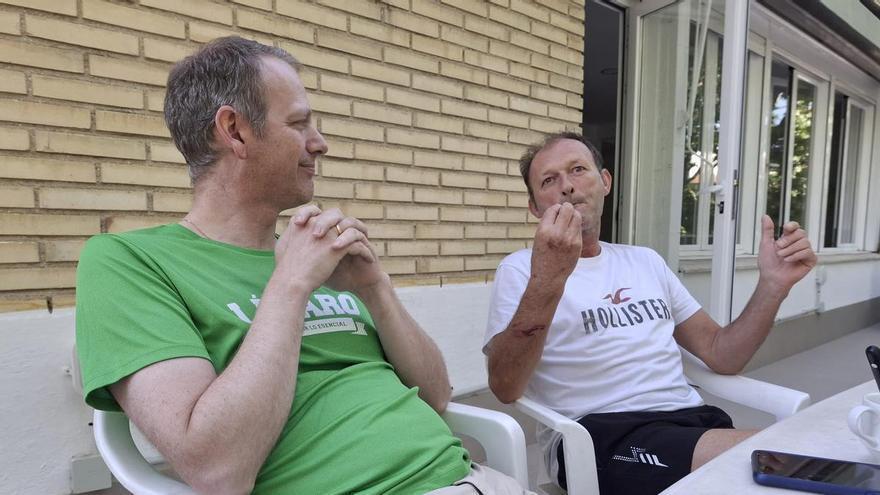
The Lázaro Foundation in Madrid is gaining attention for a unique approach to social work: instead of just providing material aid, it focuses on rebuilding personal connections. Based in the Chamartín district, the organization recently served as a hub for people experiencing social exclusion, professionals, and families during a major papal event in the city.
Founded in France in 2006 by Étienne Villemain and Magda de Vulpillières, the project is built on the idea of shared living. Unlike traditional shelters, this model brings people from all walks of life together to share household tasks and expenses. The goal is to combat loneliness and isolation, which sociological studies show are just as damaging to people experiencing homelessness as a lack of money.
One resident, Iván, highlights how quickly life can change. Once a successful audiovisual professional in the 1990s, Iván composed music for major events, including the San Sebastián Film Festival. His work was so highly regarded that he even formed a professional connection with actor Anthony Hopkins, who praised his unique creative talent.
Iván describes his time at the foundation as a "rebirth" after a period of extreme vulnerability. His story illustrates a reality often overlooked: that a sense of belonging and being recognized are essential for anyone trying to get back on their feet. The foundation believes that true success isn't about managing services, but about creating spaces where human connection drives change.
This approach reflects a shift in modern welfare policy, moving away from simple charity toward fostering autonomy and strong support networks. The success of the Chamartín project proves that, beyond statistics and institutional rhetoric, the most effective social initiatives are those that make individuals feel seen and valued—a principle the foundation considers vital to any personal recovery.