
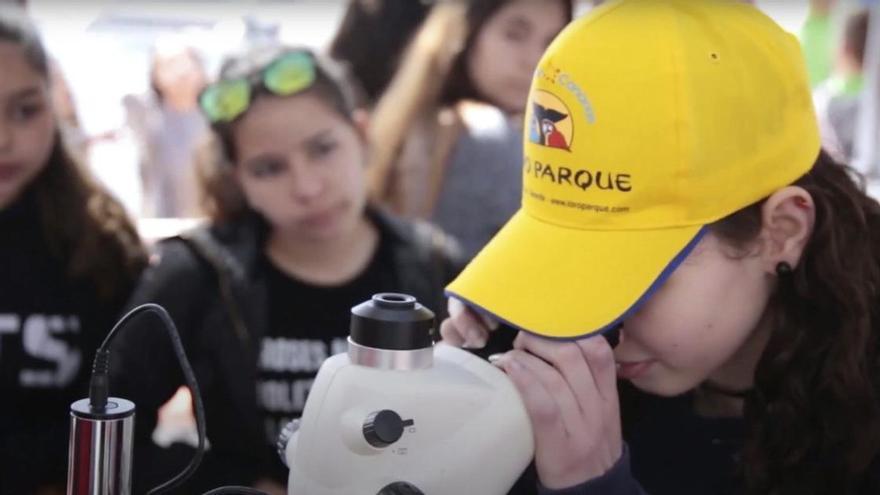
Loro Parque Group Educational Programs Reach 42,000 Students in Sustainability Push
The Loro Parque Group’s educational programs reached 42,000 students during the 2025/2026 academic year, cementing environmental literacy as a core component of the curriculum in the Canary Islands and beyond.
Environmental education is no longer just an optional extra; it has become a cornerstone of learning for the next generation in the Canary Islands. According to the Loro Parque Group, 42,000 students participated in their educational programs during the 2025/2026 academic year, highlighting a growing demand from schools to include biodiversity conservation in their lessons.
This approach, which has earned a 98% satisfaction rating from teachers, goes far beyond simple field trips to Loro Parque and Poema del Mar. The group now uses a hybrid model that blends in-person visits with digital tools and hands-on fieldwork. For example, 5,386 students took part in 78 practical activities, such as beach cleanups, while technology allowed the group to reach another 4,070 students across 93 schools—including those as far away as Castilla-La Mancha and Aragon—through 24 live videoconferences.
The program’s reach is extensive. A traveling exhibition on whales and dolphins native to the Macaronesia region has become a popular resource, visiting 65 schools and reaching 19,386 students, alongside appearances at cultural events like FIMAR and MUECA. To ensure this knowledge is effectively shared, the group also provided training to 3,409 teachers across 617 schools through 82 specialized sessions.
Cybell Kiessling, the group’s Director of Administration, notes that the program’s success comes from turning abstract environmental awareness into a hands-on experience. For the Loro Parque Group, investing in education is the best way to ensure long-term environmental protection. By participating in seven sustainability and climate fairs this year, the organization is positioning itself not just as a visitor attraction, but as a leader in sharing knowledge about animal welfare and ecosystem management.
As the climate crisis makes ecological literacy more important than ever, these figures show a clear rise in public-private cooperation in education. By engaging thousands of young people in the challenges facing marine life, environmental education has established itself as a vital part of social awareness in Spain.