
Loro Parque Fundación Highlights Biodiversity Conservation Efforts at Madrid Summit
The Loro Parque Fundación showcased its global conservation efforts and new acoustic monitoring initiatives for marine life during a major biodiversity summit in Madrid.
Biodiversity conservation took center stage in Madrid this Thursday during a major meeting focused on protecting endangered species. The event, hosted by the Loro Parque Fundación, coincided with the unveiling of Spain’s National Red List at the Congress of Deputies.
The foundation highlighted its ongoing commitment to conservation, noting that it has invested $30 million into projects that have successfully prevented the extinction of 18 species. A key highlight was the SofiaNet project, a collaboration with the Queen Sofía Foundation, the University of La Laguna, and CIRCE. This initiative will use acoustic monitoring in the Strait of Gibraltar to reduce the impact of human-made noise on whales and dolphins. This technology builds on the success of the CanBIO project in the Canary Islands, which, alongside research led by Dr. Renaud de Stephanis, has helped reduce collisions between ships and marine life by 80%.
The meeting also showcased advancements in veterinary science. Dr. Antonio Fernández from the University of Las Palmas de Gran Canaria demonstrated how electron microscopy is being used to diagnose the causes of dolphin deaths. Additionally, Dr. Javier Almunia discussed the international impact of CanBIO, a program co-funded by the foundation and the Canary Islands government that monitors ocean acidification and the effects of climate change.
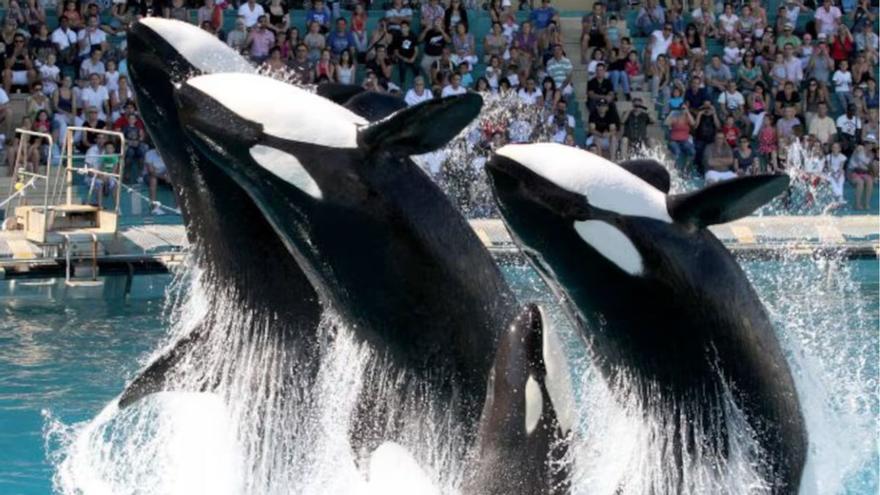
The foundation also addressed the future of two orcas, Wikie and Keijo, currently housed at Marineland in France. Wolfgang Kiessling, president of the group, stated that the foundation is prepared to take in the animals to ensure their well-being. He emphasized that this is an ethical, non-commercial effort, though any transfer would require legal approval from the Spanish government.
Vivek Menon, chair of the IUCN Species Survival Commission, underscored the importance of these efforts by pointing to the recovery of Lear’s Macaw in Brazil. Through international cooperation, the bird’s population has grown from a critical state to more than 2,200 individuals in the wild. This success highlights the value of science-based conservation, a model the foundation aims to strengthen through its partnership with the 15,000 researchers in the IUCN network.