
Locust Sighting in Tenerife Sparks Debate Over Migratory Insect Risks
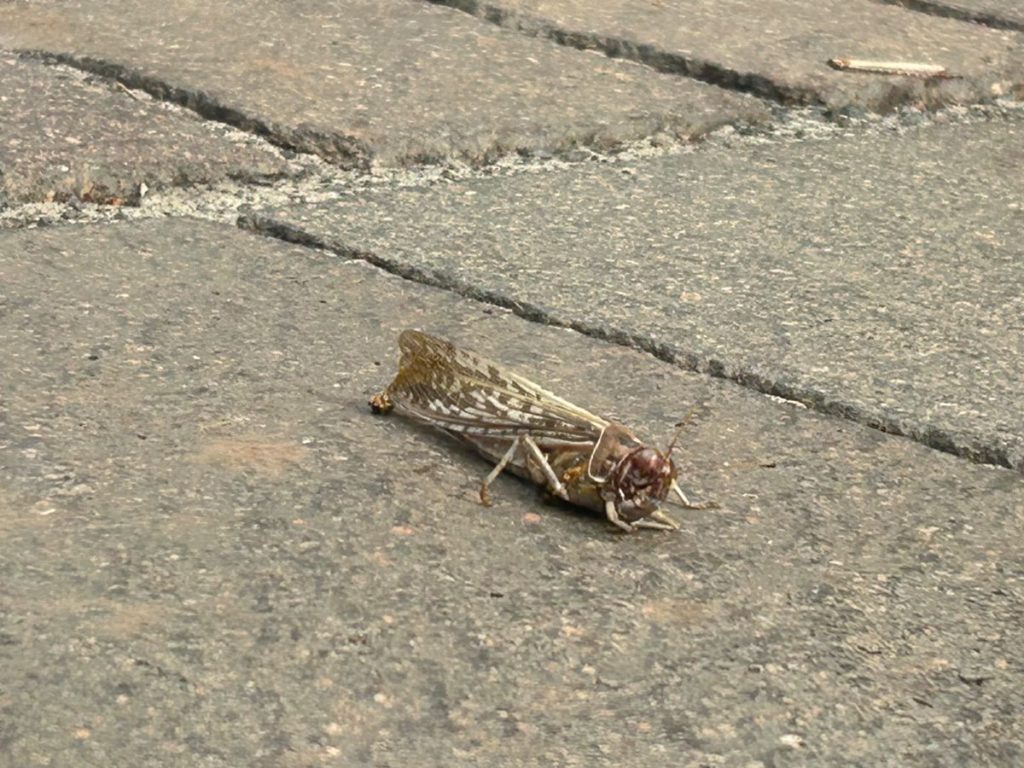
The sighting of a single locust in Santa Cruz de Tenerife has prompted experts to clarify that the insect is likely a local resident rather than a sign of a migratory plague from Africa.
The sighting of a locust in Santa Cruz de Tenerife this past Thursday, November 5, has sparked renewed discussion about the Canary Islands' vulnerability to migratory insects from Africa, according to Diario de Avisos. While a single insect does not trigger a health or agricultural alert, the event highlights the need to distinguish between local populations and mass arrivals driven by weather patterns.
Experts from the Museum of Nature and Archaeology of Tenerife note that while the insect resembles the desert locust (Schistocerca gregaria), this species already has established populations on the islands. It is possible the locust is simply a local resident from an arid area that wandered into the city, rather than a new arrival carried by the wind.
The State Meteorological Agency (Aemet) has long documented how winds from the east and south—often linked to calima (dust haze)—can transport these insects, which can travel up to 150 kilometers a day. However, current weather conditions in Tenerife, featuring southwesterly winds and instability, do not match the typical patterns that bring insects from the African continent.
This sighting brings to mind the significant locust swarms that reached northern Tenerife in February 2004. It is important to note that these insects only pose a threat to agriculture when they gather in large numbers. When they remain in their "solitary phase," they cause no damage; they only become a plague when high concentrations and a lack of resources trigger aggressive, group behavior.
In short, this incident should be viewed with caution but not alarm. Without further study to confirm the insect's origin, it remains an isolated event. While it is not comparable to the major plagues of the mid-20th century, it serves as a reminder of the islands' unique location so close to the African coast.