
Lifeguards Assaulted in Tenerife Spark Calls for Increased Beach Security
Two lifeguards were hospitalized following a violent assault at Las Vistas beach in Arona, prompting urgent calls for increased police protection and legal authority for rescue teams enforcing safety protocols.
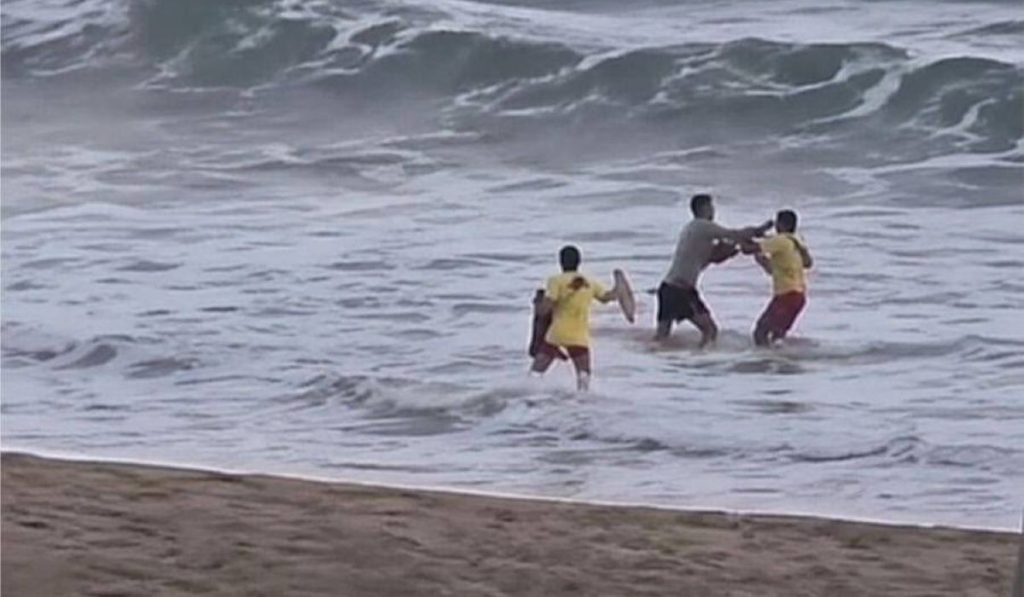
The safety of rescue teams on the Spanish coast is under scrutiny again following a violent attack at Las Vistas beach in Arona on November 12. Two lifeguards from the company Pro-activa Serveis Aquàtics were assaulted after trying to enforce swimming restrictions during a storm. One worker remains on medical leave with neck injuries and psychological trauma, sparking a debate about the lack of authority and protection for these professionals.
The incident, which is currently under investigation with no arrests yet made, highlights a major gap in beach safety management. According to reports, the confrontation began when the lifeguards asked four people to leave the water due to dangerous sea conditions. The situation escalated quickly, and the lifeguards were beaten on the sand until colleagues intervened to stop the attack.
Industry experts agree that aquatic rescue teams lack the legal backing and police support they need. Jesús Negrín, the service coordinator in Tenerife, believes the 2018 dissolution of the local police coastal unit has contributed to rising tensions. Lifeguards are now calling for a permanent police presence or regular patrols, especially on days when the sea is dangerous, to ensure their instructions are followed.
The local government’s response has been vague so far. While the Arona City Council has promised to improve surveillance as part of a new service contract, they have yet to detail how they will deploy staff to prevent future violence. Meanwhile, the Association of Canary Islands Beach Rescue and Surveillance Companies has stressed that lifeguard warnings are mandatory safety protocols, not suggestions. Ignoring them not only endangers bathers but also puts rescue workers at risk of violence.