
Lenten Traditions Drive Economic Boost for Canary Islands Markets
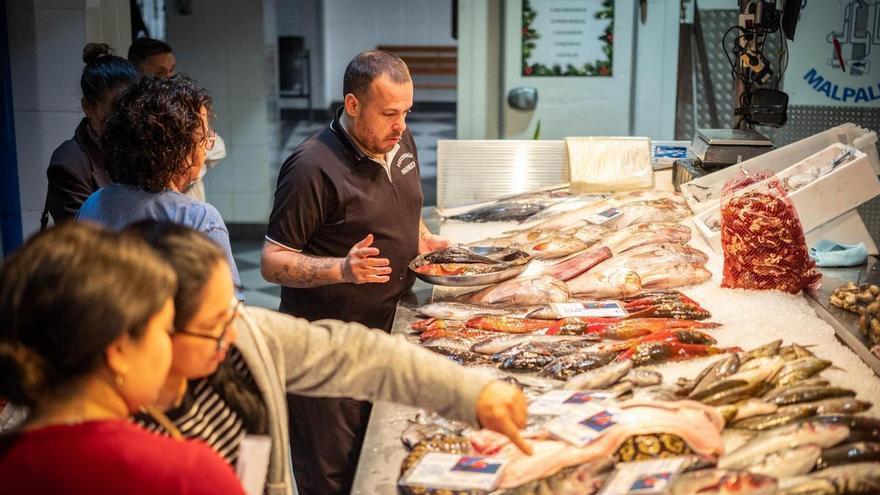
Lenten traditions continue to drive significant economic activity and preserve culinary heritage in the Canary Islands, as residents increasingly turn to local markets for traditional seafood and seasonal sweets during Holy Week.
Lenten traditions remain a powerful influence on shopping habits in the Canary Islands, according to recent research by Julio Torres. Far from fading away, the custom of abstaining from meat during Holy Week leads to a significant boost in business at traditional markets, with the Nuestra Señora de África Market in Santa Cruz de Tenerife serving as a prime example.
Market vendors report that demand for seafood is both high and well-planned, as many customers now buy their ingredients in advance rather than waiting until the last minute. Popular choices include cod, grouper, wreckfish, monkfish, and dentex, all of which are staples in traditional recipes like salted fish, stews, and oven-baked dishes. This trend is driven by more than just religious observance; it is a way for islanders to celebrate their culinary identity and pass down local customs.
To keep these traditions alive in households with children, many families are finding creative ways to serve fish, such as preparing it in "churro" form to make it more appealing to younger palates. Research by authors like Torres, who has documented the link between the religious calendar and local cuisine, helps highlight the importance of classic dishes like chickpeas with cod, escaldón, and squid.
The tradition extends to baking as well, with torrijas taking center stage. The local bakery industry has even begun producing bread specifically for this treat, showing how these customs continue to evolve. Other sweets, such as rosquetes monjiles and cañitas del señor, round out a collection of recipes that experts consider a valuable part of the region's cultural heritage. Ultimately, Holy Week in the Canary Islands has become an important economic driver for local producers and artisans, proving that these historic traditions are successfully adapting to the modern world.