
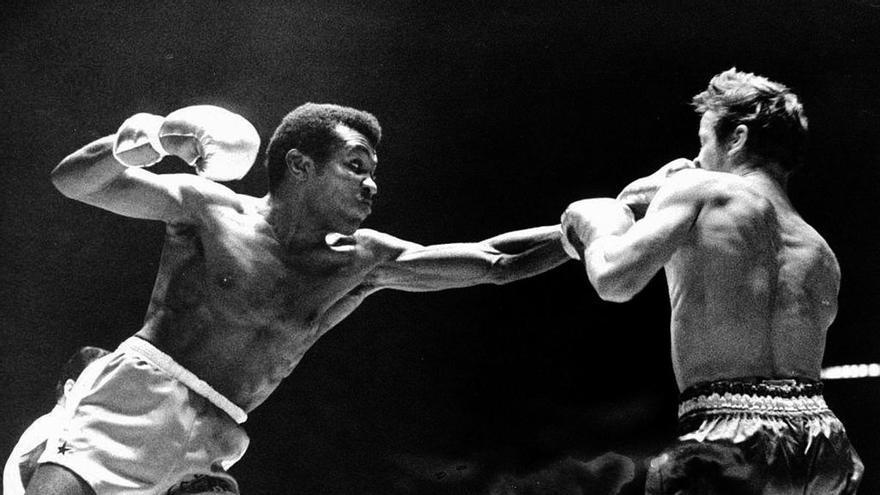
Legendary Boxer José Legrá Dies in Madrid at 83
Legendary Cuban-Spanish featherweight boxing champion José Legrá has died in Madrid at age 83, leaving behind a storied athletic legacy that contrasts sharply with the financial hardships he faced in his later years.
The death of José Legrá in Madrid at age 83 marks the end of a legendary chapter in 20th-century Spanish sports. Beyond his impressive record—133 wins in 148 fights and two world featherweight titles—the boxer from Baracoa, Cuba, represented an era when boxing held a level of mainstream popularity that is hard to imagine today. His career, defined by his relentless energy in the ring, stood in stark contrast to his later financial struggles, which left him without the stability his success should have provided.
Legrá’s connection to the Canary Islands was central to both his training and his personal life. After professional boxing was banned in Cuba following the Revolution, he moved to Spain and built strong ties to Tenerife and La Gomera. He formed a close bond with the Rodríguez López family, who hosted him on their farms in Alajeró. He used this as his training base, leading up to his 1968 victory over Howard Winstone in Wales—a win he famously celebrated by carrying Gomera bananas into the ring.
His time in the islands went beyond training. The Santa Cruz de Tenerife Bullring became a regular venue for his matches, where he won consistently and befriended local figures like Juan Albornoz, known as "Sombrita." However, his success in the ring did not translate into business. After retiring, he tried his hand at various ventures, including hospitality, hairdressing, private security, and television, but these projects ultimately failed and drained his savings.
One of his most difficult moments came in the early 1980s in Santa Cruz de Tenerife, when he was scammed out of five million pesetas by business partners. He later blamed the loss on their lack of integrity. This pattern of financial misfortune, combined with the instability of his "Legrá Sport" brand, defined his later years. While his name remains a permanent part of sporting history, the final years of the "Puma of Baracoa" were marked by financial hardship, highlighting how vulnerable many combat sports stars become once the spotlight fades.