
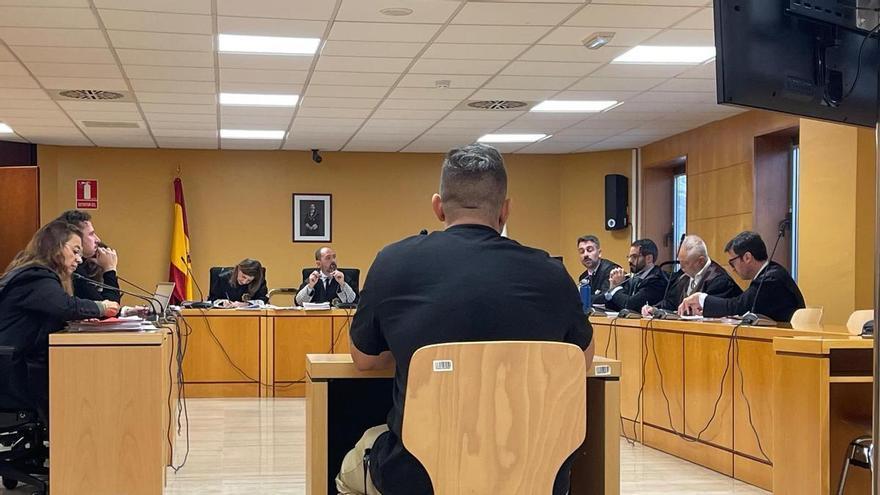
Las Palmas Court to Try Man Accused of €312,000 Cryptocurrency Ponzi Scheme
The Provincial Court of Las Palmas is set to try a defendant accused of defrauding 47 victims in a multi-year cryptocurrency Ponzi scheme that promised high returns while funding a lavish lifestyle.
The Provincial Court of Las Palmas is preparing to hear a complex fraud case involving 47 victims in the Canary Islands. Prosecutors are seeking an eight-year prison sentence and 312,706 euros in restitution for the primary defendant, Raúl F. G., who is accused of running a pyramid scheme disguised as a high-yield cryptocurrency investment.
The case, which centers on activities between 2021 and 2023, shows how scammers use the guise of high-tech innovation to hide criminal activity. According to court documents, the defendant recruited victims—including members of the security forces—by promising returns from cryptocurrency mining and automated trading software. To appear legitimate, he claimed to have a foreign business partner and industrial facilities in Gran Canaria and Fuerteventura, complete with high-performance equipment and special electricity rates.
The operation followed a classic Ponzi scheme model: the defendant used money from new investors to pay "returns" to earlier participants. This strategy helped him gain trust and expand his network, often through in-person meetings in the Guanarteme neighborhood of Las Palmas, where he falsely assured victims that their money was backed by physical assets. Prosecutors allege that instead of investing the funds, the defendant used the money to fund a lavish lifestyle, including the purchase of luxury vehicles worth 25,000 and 177,000 euros, as well as personal cryptocurrency investments.
This case highlights the dangers of unregulated digital asset markets, where promises of "zero risk" and 20% monthly returns are major warning signs. The scheme eventually collapsed when the defendant could no longer pay his investors, leaving them with significant losses. As the court awaits a trial date, the case serves as a reminder of how aggressive marketing and social engineering can deceive even those with professional backgrounds who might otherwise seem less vulnerable to such scams.