
Las Mesas Park Reopens in Santa Cruz de Tenerife Following Major Restoration
Las Mesas Park, the largest peri-urban park in the Canary Islands, has officially reopened following an extensive restoration project that integrates recreational facilities with ecological conservation efforts.
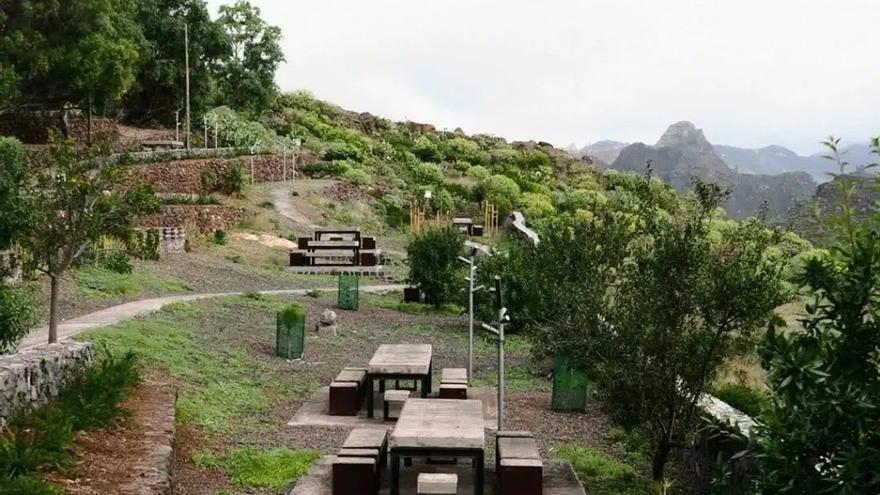
Las Mesas Park, a key part of the forest surrounding Santa Cruz de Tenerife, has officially reopened, marking a successful effort to restore this important public space. After years of uncertainty and damage caused by vandalism, the park underwent a major renovation, forcing architects Mónica Esteban and Rafael Escobedo de la Riva to adapt their original 2009 design, "La montaña entera" (The Entire Mountain). The site officially welcomed visitors back on November 25, 2022.
Spanning 1.86 million square meters, this is the largest peri-urban park in the Canary Islands. Situated 500 meters high in the Los Campitos massif, it serves as a vital ecological bridge between the Anaga Rural Park Biosphere Reserve and the city of Santa Cruz. The park’s natural landscape of valleys and ravines now hosts a variety of recreational facilities, including rest areas, fire pits, restrooms, and sports courts, all linked by trails that lead to the North Viewpoint.
Visitors can enjoy 360-degree views ranging from the peak of Mount Teide to the busy port of San Andrés and the nearby airport. Beyond recreation, the project is deeply committed to ecological restoration. The plan includes replanting native species like wild olive and pine trees, while also regenerating the unique thermophilic forests and shrublands found in the area.
Looking ahead, the park is set to become an educational hub. Plans are underway to open a Nature Classroom and Environmental Interpretation Center in an existing building on the northwest side of the park. This facility will focus on teaching the public about local biodiversity, establishing Las Mesas not just as a place for leisure, but as a center for research and the protection of the island’s natural heritage.