
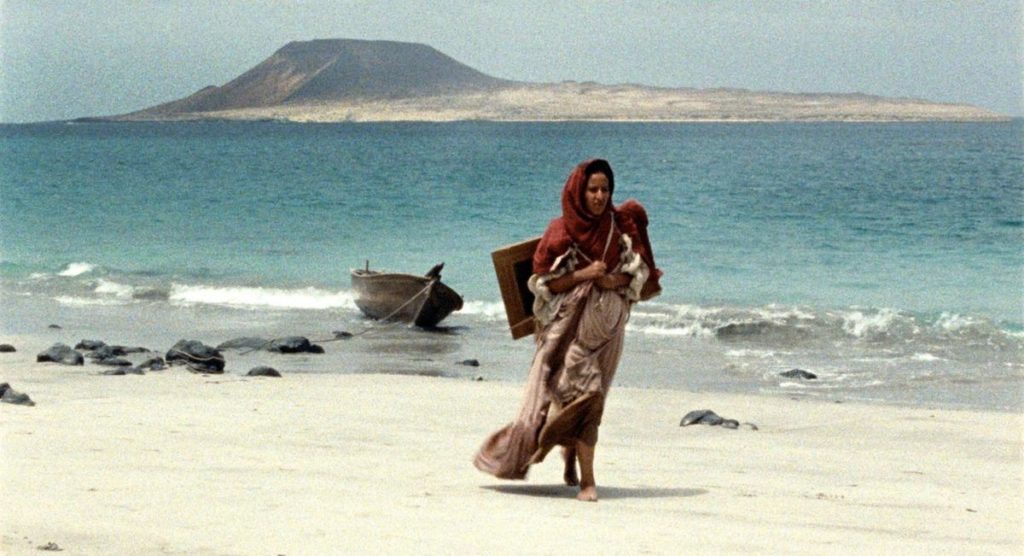
'Las islas afortunadas' Becomes First Majority Canarian Film Selected for TIFF Discovery Section
Helena Girón and Samuel Delgado’s historical fable Las islas afortunadas has become the first majority-Canarian feature film selected for the Toronto International Film Festival, where it will premiere in the "Discovery" section this September.
Spanish cinema has reached a new milestone: the film Las islas afortunadas has been selected for the Toronto International Film Festival (TIFF), running from September 10 to 20, 2026. Directed by Helena Girón and Samuel Delgado, the movie will premiere in the festival’s "Discovery" section, a category known for launching the careers of world-renowned filmmakers.
This selection is a significant achievement for the Canary Islands' film industry. According to the production team, it is the first feature film directed by Canarian filmmakers with majority Canarian production to be accepted into the festival. The project was a collaboration between El Viaje Films, La Banda Negra, and the Greek firm Asterisk*. It was produced by Jose Alayón, Samuel Delgado, and Vicky Miha, with Marina Alberti serving as executive producer.
The film is notable for its use of analog media, having been shot entirely on Super 16mm film across Lanzarote, Tenerife, and La Graciosa. The technical team included director of photography Jose Alayón, editor Manuel Muñoz Rivas, and art directors Silvia Navarro and Amparo Baeza. The sound and music were handled by Leandros Ntounis and Camilo Sanabria, respectively.
The cast features a mix of professional and non-professional actors. The lead role is played by Luisa Ahl Laabiad, who makes her big-screen debut alongside French actors Lou Castel and Grégoire Colin. Casting director Cendrine Lapuyade also recruited local residents from the islands to round out the supporting cast.
Set in the 15th century, the film is a historical fable centered on Fátima, a woman managing water resources on La Graciosa during a time of drought and colonial tension. The directors describe the film as an exploration of how power systems begin and how communities respond to scarcity, contrasting the desire for control with human solidarity. Through this story, Girón and Delgado offer a new look at the historical events that shaped the Canary Islands, capturing a period defined by survival and dramatic change.