
Las Chumberas Housing Crisis: 17 Years of Delays Leave Residents in Limbo
Residents of La Laguna’s Las Chumberas neighborhood remain in limbo as a 17-year reconstruction project faces persistent administrative delays, structural hazards, and inadequate financial support.
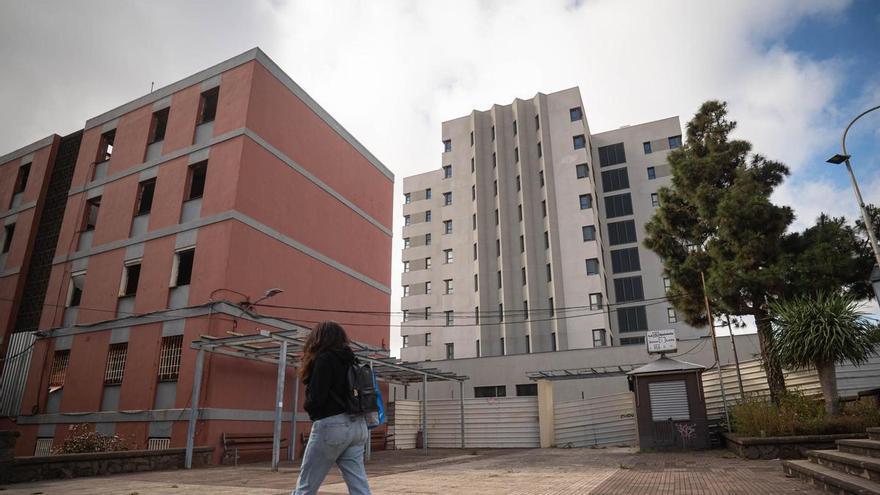
The housing crisis in the Las Chumberas neighborhood of La Laguna has become more than just an urban planning issue; it is now a symbol of administrative failure and social hardship. After 17 years of delays, the project to replace the area's aging homes is facing new technical and financial hurdles, leaving hundreds of families in a state of constant uncertainty.
The trouble began in 2009, when "aluminosis"—a condition that weakens concrete—was discovered in one of the buildings. Since then, inspections have found that 70% of the original 42 buildings, which included nearly 700 homes and 80 businesses, suffer from serious structural defects. The response has been a slow, disorganized cycle of evictions, temporary shoring, and demolitions, hampered by a lack of clear coordination between government agencies.
While the first phase of construction—providing 197 new homes—is nearly finished, the keys have yet to be handed over. The La Laguna City Council recently had to tender a new 172,660-euro contract to install a proper rainwater drainage system, a project expected to take four months. This delay only adds to the frustration of residents, who continue to live in a neighborhood split between renovated buildings and boarded-up ruins, leading to safety concerns and a deep sense of abandonment.
Financial strain is also a major issue. With rental prices in the Canary Islands rising by 7.3% over the last year to an average of 15.70 euros per square meter, the 600-euro monthly subsidy provided by the municipal company Muvisa is no longer enough to cover the cost of housing. This financial gap, combined with uncertainty over funding for the project’s second phase, has led the local monitoring commission to criticize the State, the Canary Islands Government, the Cabildo of Tenerife, and the city council for a lack of genuine commitment.
Although the local government claims it has fronted six million euros to keep the project moving and expects completion by October 2027, the residents are exhausted. Without a clear agreement between the various government bodies to secure funding for the remaining phases, the neighborhood remains in limbo. For those living there, the reconstruction of Las Chumberas is not just about buildings and regulations; after two decades of waiting, it is a desperate struggle to regain their stability and finally secure a permanent home.