
Lack of Transparent Data Hinders Investigation of Child Abuse Cases in Spain
A lack of transparent judicial statistics and procedural flaws in the Spanish legal system are hindering the investigation of child abuse cases, leading to high dismissal rates before comprehensive expert assessments can occur.
It is currently impossible to determine the true scale of dismissed child abuse cases in Spain due to a lack of transparent judicial statistics. As reported by El Debate, many cases involving alleged abuse or physical assault against minors are closed before a full expert assessment can take place. A major structural issue is that neither the General Council of the Judiciary (CGPJ) nor the Public Prosecutor’s Office uses an open data system to track these cases from start to finish.
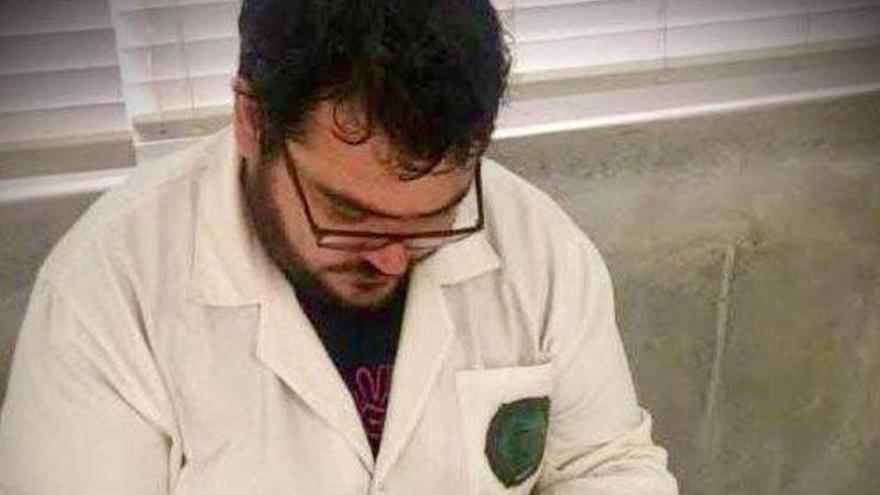
Dr. Ricardo Ortega, a forensic scientist and biomedical engineer, analyzed 52 files from the last three years and found a dismissal rate of nearly 80%. While this is not a representative sample of all national courts, it highlights a significant procedural flaw: in half of the cases that do move past the initial stage, technical experts are not even called to testify.
The core of the problem lies in how investigations are conducted. Independent experts often use mechanical reconstructions of injuries to see if they match a victim's testimony. However, these findings frequently clash with the institutional hierarchy, which tends to prioritize the opinions of the Institutes of Legal Medicine. As a result, independent technical reports are often ignored or sidelined, leaving judges without all the scientific tools needed to evaluate incidents that typically occur in private and without witnesses.
These cases are further complicated by the fact that a child’s testimony can be affected by their development or the passage of time. When a case is dismissed early, it prevents a proper trial where expert theories could be challenged and debated. While the legal system must protect the presumption of innocence, the failure to conduct thorough investigations—incorporating psychological, medical, and technical evidence—raises serious concerns about how effectively minors are being protected. In legal terms, a dismissal does not mean an accusation was false; it simply means there was not enough evidence to proceed. In cases of child abuse, this distinction highlights the urgent need for more rigorous investigations.