
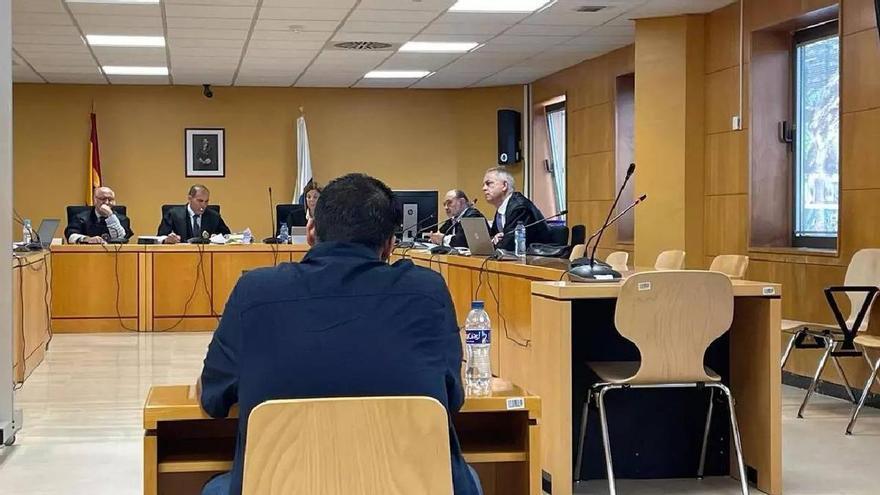
Lack of Evidence Clears Father in Tenerife Abuse Case
A court in Santa Cruz de Tenerife has cleared a man accused of sexually abusing his six-year-old daughter, citing insufficient clear evidence despite prosecutors seeking a twelve-year prison sentence.
A court in Santa Cruz de Tenerife has cleared a man who was accused of sexually abusing his six-year-old daughter. Prosecutors had asked for a twelve-year prison sentence, but the court found there wasn't enough clear evidence to prove he was guilty.
The case started when the man's ex-partner, who is the mother of the girl and another child they share, filed a complaint. During the trial, the mother said the alleged abuse happened at the father's house. She claimed her daughter didn't want to go back there, saying her father touched her sexually when they all slept together because she and her brother were afraid of the dark.
However, the court decided that what the mother, her current partner, and the girl's grandfather said as witnesses didn't directly support these claims.
A key piece of evidence was a report from a forensic psychologist, who said the girl's story was "probably credible." But the defense lawyers successfully argued against how this report was put together. Defense experts said the girl's statements weren't spontaneous or freely given. They pointed out that she answered closed and leading questions, which could have influenced her answers, and that her story was interrupted.
The accused man strongly denied all the accusations. He said his daughter had told him she was afraid of the dark and of him, and he thought she felt he "treated them badly." After his daughter asked to call her mother, he suggested they see a psychologist.
The court's decision follows rules from higher courts. These rules state that while a victim's testimony alone can be enough to prove guilt, it must be very reliable. This means the story must be believable, consistent, and not show any signs of being made up. In this case, the court felt these strict requirements were not fully met.