
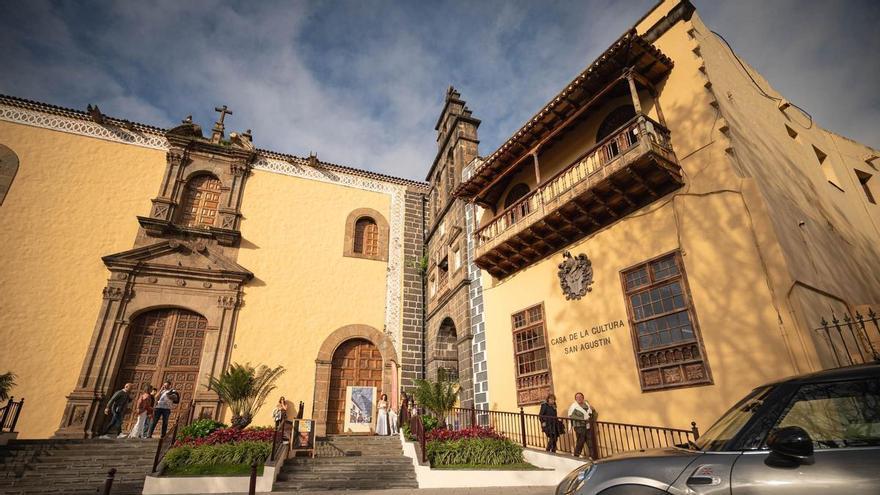
La Orotava Unveils New Strategic Plan to Curb Overtourism and Boost Local Economy
La Orotava’s new Second Strategic Tourism Plan calls for a shift away from mass day-tripper reliance toward a sustainable model that prioritizes resident well-being, economic diversity, and better management of vacation rentals.
La Orotava has reached a turning point in how it manages tourism, according to the town’s new Second Strategic Tourism Plan. Developed by the European University of the Canary Islands and the University of La Laguna, the report argues that the town must move beyond its reliance on day-trippers visiting Teide National Park to build a more stable and resilient local economy.
The study, which updates a 2019 roadmap, points to a clear imbalance: while the town welcomed 1.2 million visitors in 2024—nearly 16% of the island's total—it has very few traditional hotel beds. There are only 104 hotel beds compared to 1,688 in vacation rentals. This shift, combined with the rise of tourist apartments in the historic center, has contributed to gentrification and slowed down the restoration of local heritage sites.
The report also notes that the town’s Cittaslow status, adopted in 2018 to promote quality of life and sustainability, has not yet improved daily life for residents. Instead, locals continue to report issues with noise, traffic, and overcrowding at popular spots like the Casa de los Balcones.
To fix this, experts suggest spreading tourism more evenly across the area, encouraging sustainable travel like electric vehicles, and creating new walking routes. The plan also emphasizes that tourism must be linked to solving broader structural issues, such as water and energy shortages. The researchers propose integrating local agriculture and better land management to ensure tourism supports the community rather than causing social strain.
Ultimately, the report warns that La Orotava’s future depends on balancing economic activity with the well-being of its residents. Moving toward a model that prioritizes local jobs and economic diversity is no longer just a suggestion—it is essential to protect the town’s heritage and ensure it remains a viable destination.