
La Orotava’s Traditional Cabinetmakers Fight to Preserve Canary Island Heritage
Traditional cabinetmaking in La Orotava is transitioning from a once-thriving local industry to a vital practice focused on preserving the town’s historical architectural heritage against the rise of mass-produced goods.
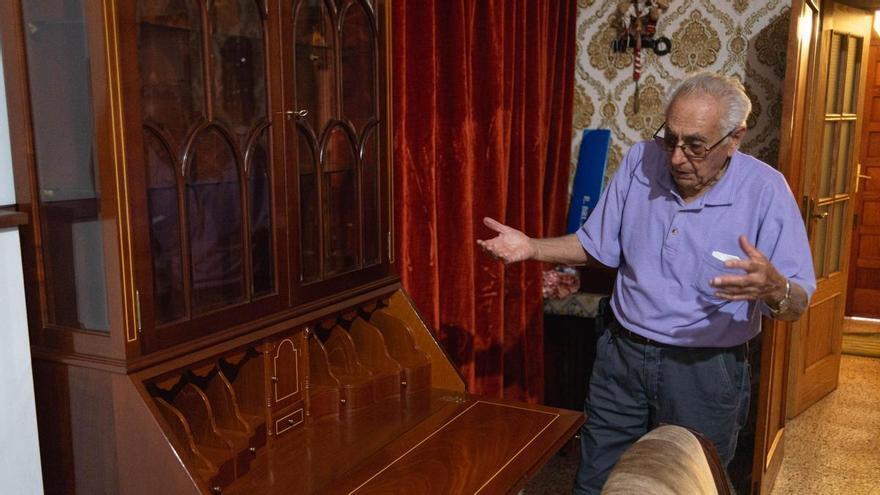
Traditional cabinetmaking in La Orotava is more than just a craft; it is a stand against the mass-produced, uniform furniture that dominates today’s market. Once the backbone of the local economy, providing everything from household furniture to building materials, the trade has evolved. Today, it serves a new purpose: preserving the town’s rich historical heritage.
This unique local style was born from the island’s natural resources. Craftsmen historically relied on wood from the Vallebuena forests, supplemented by imports through Puerto de la Cruz. Using native species like Canary Island pine, viñátigo, and granadillo, they created a distinct architectural identity. This legacy is visible in the town’s intricate Mudéjar-style ceilings, delicate latticework, and the iconic Vitoriera chair—a piece that requires a level of skill that is becoming increasingly rare.
The industry peaked between the 1950s and 1960s, but several factors led to its decline. The rise of synthetic materials like PVC and aluminum, combined with the efficiency of mass-produced goods, pushed out the small, family-run workshops that had passed down their knowledge through generations. This decline has been further accelerated by a lack of younger apprentices willing to commit to the long, rigorous training the craft demands.
Today, cabinetmaking in La Orotava is focused on sustainability. Workshops have pivoted toward restoring and conserving historic buildings, playing a vital role in protecting the town’s character. This shift highlights why it is so important to support these traditional skills. Beyond their economic value, these crafts act as a living record of Canary Island history—one that depends on our ability to value unique, handmade quality over modern standardization.