
La Orotava Revives Traditional Paper Craft Through Community Education
The town of La Orotava is successfully preserving its historic enrame de papel picado paper-craft tradition by integrating it into local school curricula and community workshops to ensure the skill is passed to the next generation.
Preserving intangible heritage in the Canary Islands is a generational challenge, but the town of La Orotava has discovered a successful model for keeping local traditions alive. As reported by Diario de Avisos, the neighborhood tradition of enrame de papel picado—intricate paper decoration dating back to 1910—is undergoing a revival to ensure it doesn't disappear now that the last of its original masters have passed.
Historically, this craft was used to decorate processional routes with elaborate plant and paper designs. To protect it, the local City Council has asked the Cabildo of Tenerife to include the practice in the Island Catalog of Cultural Heritage Assets. While this legal recognition is important, officials know that laws alone cannot save a tradition; it requires a new generation to carry it forward, especially as modern decorative styles become more popular.
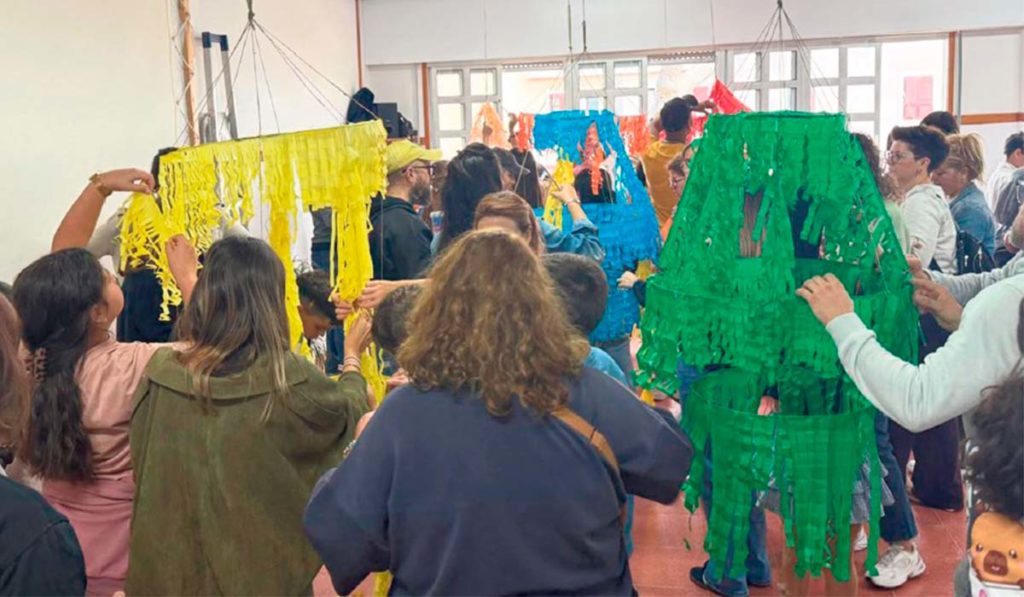
The key to this conservation effort has been the involvement of the La Luz school. With the original artisans, María Candelaria Méndez Hernández and Eduvigis Pérez Delgado, reaching an advanced age, the school decided to integrate the craft into its curriculum. Through workshops involving over 200 families and students, the community has successfully passed on the skills needed to create complex paper structures, such as lanterns and large-scale figures.
This educational project will continue throughout July with open workshops and theatrical activities at the neighborhood association. The goal is for the community to embrace this history before the festivities of Our Lady of La Luz, which run from September 1 to 14. By seeing their own work displayed in the streets, local youth are developing a stronger sense of belonging. The municipal government believes this support is vital to ensuring that this collective heritage thrives, turning what was once a "healthy rivalry" between neighborhoods into a shared project of social and educational unity.