
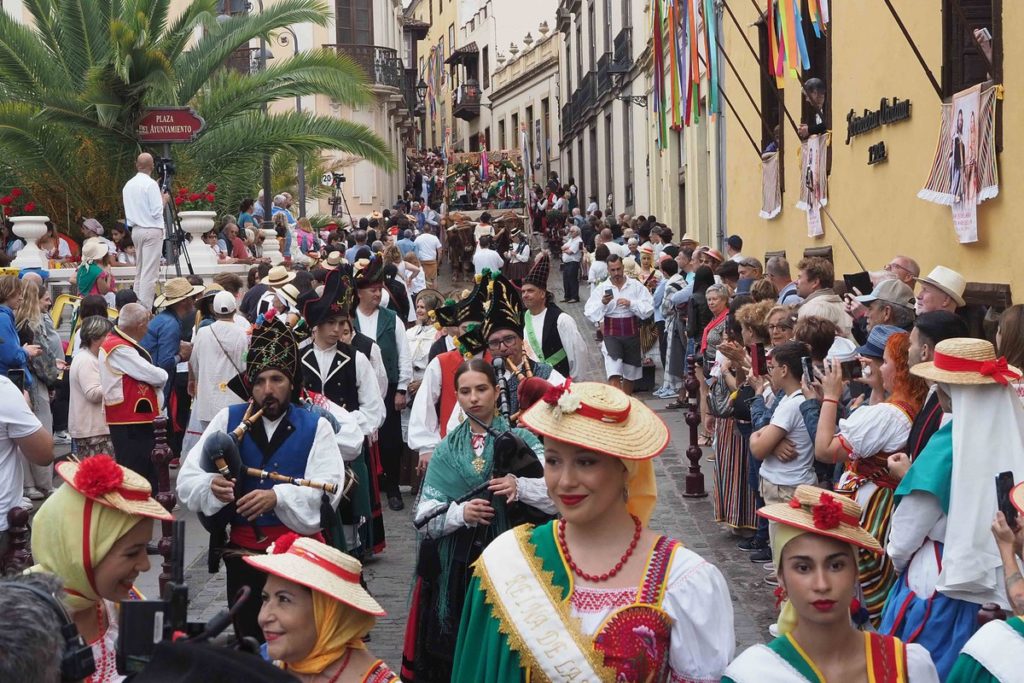
La Orotava Prepares for Annual Festival Expected to Generate Millions for Tenerife Economy
La Orotava has unveiled a packed schedule of over 100 cultural and religious events for its annual festival, which serves as a major economic driver for northern Tenerife and celebrates the 90th anniversary of the pilgrimage's modern form.
The town of La Orotava is gearing up for its annual festival, a celebration that serves as a major social and economic boost for northern Tenerife. Local officials have announced a packed schedule featuring over 100 sporting, religious, and cultural events running through June 15th in honor of the town’s patron saints.
These festivities are vital to the local economy, with officials estimating they will generate between six and eight million euros. This year, organizers have had to make logistical adjustments to the calendar, including moving the traditional "baile de magos" folk dance to June 5th. Mayor Francisco Linares explained that this change was necessary to accommodate the visit of Pope Leo XIV, noting that this kind of flexibility has been a hallmark of the festival’s organization for the past 40 years.
The 2026 program marks a significant milestone: the 90th anniversary of the pilgrimage in its modern form. While the pandemic caused a brief interruption—making this the 89th actual edition—the event remains a cornerstone of Canarian identity. To honor this history, the title of Honorary Villero has been posthumously awarded to César Hernández Martínez, a key figure in the festival's origins.
The wine offerings have also been updated. Now rebranded as the La Orotava Valley Wine Festival, the event will take place on Avenida Mercedes Pinto and will feature ten local wineries and twelve catering businesses, showcasing vintages from before 2025.
This year’s official poster, titled Esencia hecha a mano (Essence Made by Hand) by artist Eduardo Rodríguez, highlights the collective effort behind the festivities. Selected from eight entries, the design celebrates the various guilds—from carpet makers to farmers—that keep these traditions alive. The poster uses a clean, white background to reflect the bright, natural light of the town during this season. The program was officially unveiled by a group of municipal, religious, and community leaders, underscoring the festival's importance to the entire island.