
La Orotava Marks 50th Anniversary as Historic-Artistic Site
La Orotava is celebrating the 50th anniversary of its designation as a Historic-Artistic Site, marking five decades of preserving the unique urban landscape and water-driven heritage that define the town's identity.
La Orotava is celebrating the 50th anniversary of its designation as a Historic-Artistic Site. This milestone offers a chance to reflect on the town’s unique character. Unlike many other parts of Tenerife that were transformed by coastal tourism, La Orotava has preserved an urban layout shaped by its natural terrain and water management rather than rigid geometric planning.
Experts from the University of La Laguna note that the town’s growth was driven by a network of canals flowing down from Aguamansa. This water system was the town's economic engine, powering flour mills and vineyards. It also influenced the town's social structure: the upper areas were home to artisans and working-class families, while the lower town became the center of power for the nobility and religious orders.
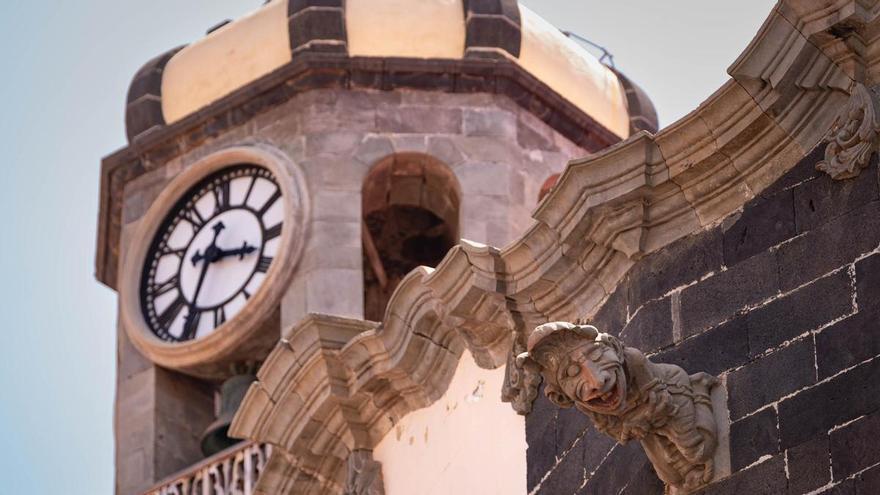
The town’s heritage lies in how it blends different influences. The Church of La Concepción, rebuilt after the 1705 earthquakes, is a prime example, mixing Baroque and Neoclassical styles with traditional Canarian architecture. Its stone carvings—including gargoyles with pre-Columbian symbols—reflect the town’s centuries-old trade ties with the Americas. Similarly, the Masonic mausoleum in the Victoria Gardens, designed by Adolphe Coquet, highlights the unique funerary architecture of the late 19th century.
Conservation efforts also protect smaller, everyday details, such as the wooden corner guards once used to protect buildings from passing agricultural carts. These remnants serve as a reminder of a time when the transport of goods defined daily life. Although the historic site was not officially protected until 2005, the survival of these features, along with the town’s historic squares and convents, makes La Orotava a living record of island history. Ultimately, the management of water—which once powered mills and washhouses—remains the common thread that explains why this town has successfully preserved its identity despite the pressures of modern development.