
La Orotava Carpenters’ Band Marks 40 Years of Musical and Artisanal Heritage
The La Orotava Carpenters’ Band has celebrated its 40th anniversary, marking four decades of preserving cultural heritage and community bonds as the Canary Islands' traditional woodworking industry has evolved.
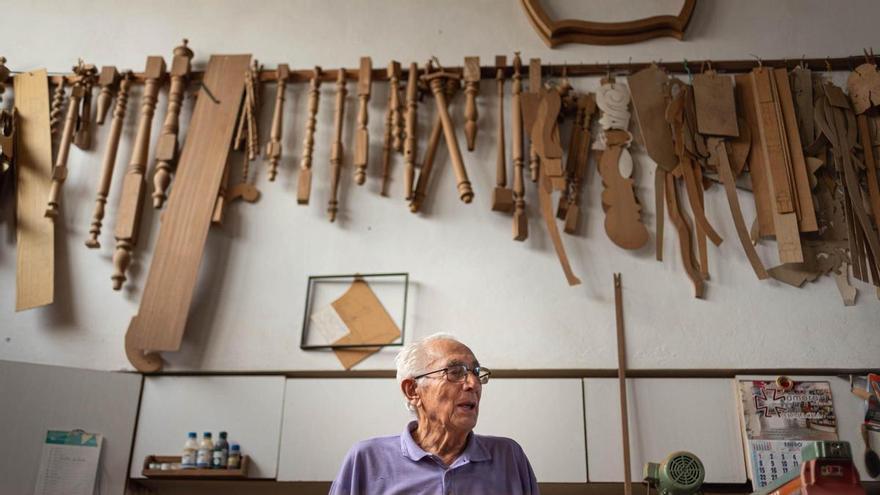
The La Orotava Carpenters’ Band recently celebrated its 40th anniversary, marking a milestone that goes beyond music. The group serves as a living record of how the artisanal landscape in the Canary Islands has changed over the decades. Founded in 1986, the band began as an extension of the local cabinetmakers' guild in the La Orotava Valley, a region that once boasted nearly 189 registered woodworking workshops.
The band is unique in Spain because of its direct roots in a manual trade. It started as a religious tribute to Saint Joseph, the patron saint of carpenters. What began as a small group providing music for processions at the Candelaria del Lomo hermitage—with an initial budget of just 192 euros—soon became a project for professional unity. Enrique Salazar, a sales agent who supplied machinery to local workshops, recruited artisans with musical talent, growing the group to 56 members by 1988.
The band’s history reflects the challenges faced by the artisanal sector. As industrialization and mass-produced materials replaced family-run workshops, the group had to adapt to survive. By its 20th anniversary, the band began welcoming the families of the original artisans, renaming itself the "Carpenters and Relatives Band." This change ensured the group’s future as fewer young people entered the woodworking trade.
The band’s history, which includes rehearsals in iconic locations like the old Liceo Taoro, has now been documented in a new book presented at the Pinolere Craft Fair. This work preserves four decades of photos and records, highlighting members like 89-year-old president Domingo Álvarez. These veteran artisans have kept their cultural traditions alive even as the economic industry that originally defined them has faded. Today, music remains the core of their identity, keeping the community together long after traditional carpentry stopped being their primary way of life.