
La Laguna Wetland: Mosquitofish, Bacteria to Control Mosquitoes
La Laguna officials will use mosquitofish, bacteria, and traps to control mosquitoes as part of a project to restore the city's historic wetland, aiming to enhance flood control, green spaces, and climate resilience.
To control mosquitoes from the La Laguna wetland, officials will use several methods: mosquitofish (Gambusia affinis), which can eat up to 100 larvae daily; a harmless bacterium that stops larvae from growing; and traps to catch different types of mosquitoes. Manuel Galván, head of Gesplan's Civil Engineering, shared this information at a meeting with residents from the historic center.
Alongside these efforts, a control and monitoring plan will be put in place. This plan will involve regular checks, either every two weeks or weekly if necessary, to see how effective the measures are, analyze samples, and suggest new actions if any harmful germs or invasive species are found.
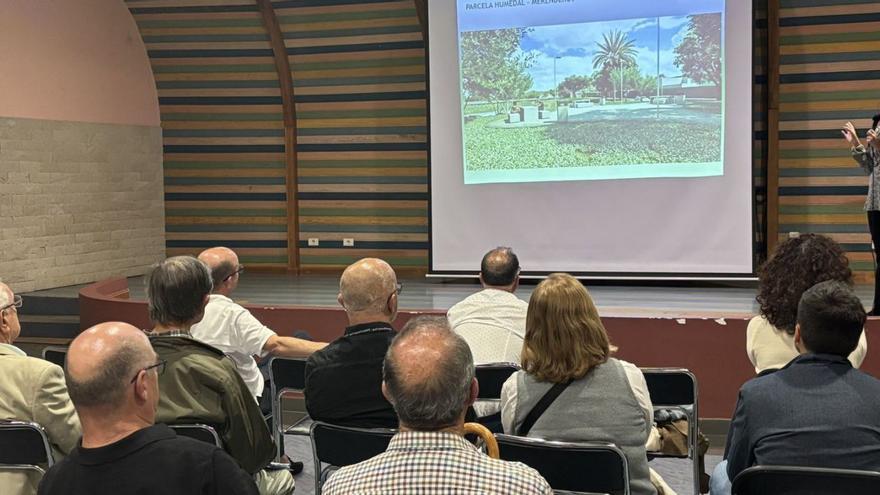
The La Laguna City Council organized the meeting at the Las Madres community center in Padre Anchieta. Its purpose was to inform residents about the technical details of the project to restore the old wetland that gave the city its name. This project is moving forward, with all initial studies showing positive results. Experts from Gestur Canarias, the public company that designed and delivered the project, were also present.
Manuel Galván explained that instead of designing a park that could flood, they decided to restore the old wetland where both water and land ecosystems could thrive. He noted that this choice offers many benefits for the city, including better flood control, more green spaces, a way to combat climate change, and the return of a public recreation area.
They also discussed how the wetland will be emptied and filled. Other planned facilities include picnic areas, walkways, trails, and a visitor center. These additions will help people learn more about the diverse plants and animals living there and why it's important to protect these natural spaces.
Ángel Chinea, the Councilor for Public Works, Infrastructure, and the Integrated Water Cycle, announced that new ways to share information will be set up soon to keep interested residents updated.
The goal of restoring the La Laguna wetland is to return the area to its natural state and create a strong ecosystem. This will help the city adapt to climate change and lessen its impact. The government stated that this project shows how nature can help fight climate change, encourage sustainable water use, and lead to a safer, healthier future for the community.