
La Laguna to Host Presentation of New Canarian Poetry Collection by Eusebio Cabrera
The La Laguna City Council and the Center for Canarian Popular Culture will present Eusebio Cabrera Hernández’s new collection, Coplas canarias y poemas; si mis versos hablaran, on June 5th to celebrate and preserve the archipelago's traditional oral poetry.
The La Laguna City Council and the Center for Canarian Popular Culture have published Coplas canarias y poemas; si mis versos hablaran, a significant new collection dedicated to preserving the archipelago’s traditional poetry. The book will be officially presented on June 5th at 7:00 p.m. in the San Borondón Hall in La Laguna, featuring a live performance of the works included in the volume.
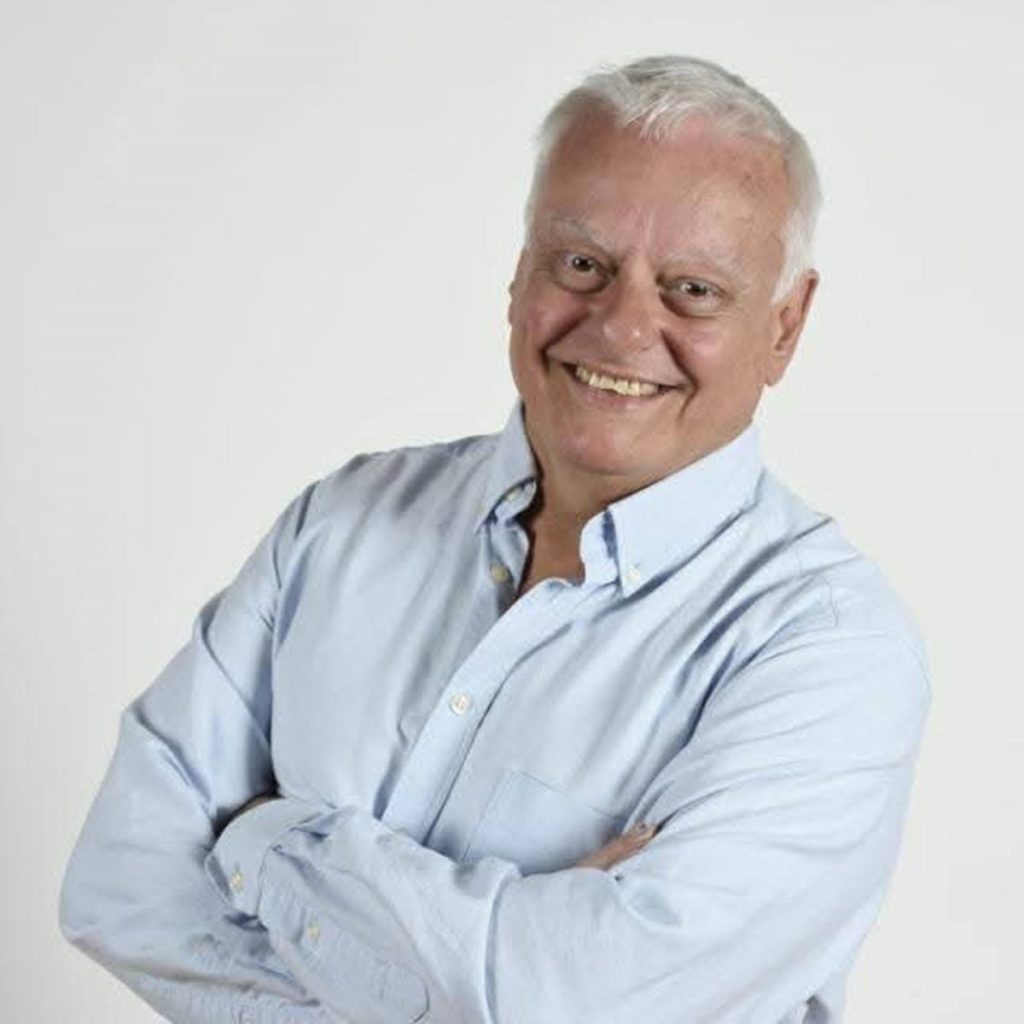
This collection highlights the creative work of Eusebio Cabrera Hernández while exploring the importance of oral tradition in the 21st century. The book features a wide variety of musical forms, including folías, malagueñas, isas, and polkas, blending pieces meant for singing with poetry written for reading. It is particularly notable for moving Cabrera’s work from the anonymity often associated with traditional coplas to a recognized authorship, helping to keep the islands' emotional heritage alive.
Born in Caracas in 1962, Cabrera has been deeply involved in the culture of Tenerife and Lanzarote since childhood. His musical journey began at age eight under the guidance of the Corujo brothers and continued with Silvestre Álvarez. Over the years, he has become a respected musical director, researcher, and teacher. His talent has earned him numerous awards in copla competitions across towns like Tejina, Tacoronte, Teguise, La Orotava, and La Laguna, with recent honors in 2021 and 2024.
The book is further enriched by contributions from cultural figures such as Teror’s official chronicler, José Luis Yánez Rodríguez, and musician Benito Cabrera. They emphasize the importance of keeping popular poetry relevant so it remains a living tradition rather than a relic of the past.
Cabrera’s extensive career—which includes co-founding the University Folkloric Group and pioneering Christmas carol festivals—makes this collection a vital resource for understanding Canarian identity. With this latest release, Cabrera continues his long-standing commitment to sharing and preserving his cultural roots.