
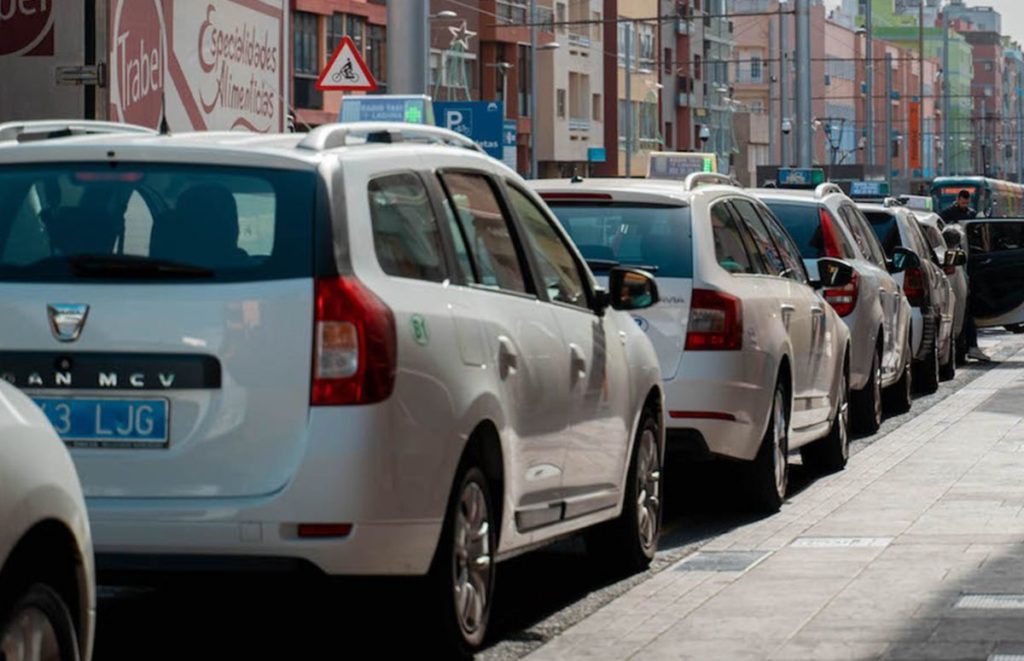
La Laguna Taxis Gain Access to Pedestrian Zones for Vulnerable Passengers
La Laguna now allows taxis limited access to pedestrian zones for picking up or dropping off passengers with mobility issues or heavy items.
La Laguna will now let taxis into pedestrian zones to pick up or drop off elderly people, those with mobility issues, or anyone carrying heavy items. This is part of a change to the rules about who can use these areas.
This new rule, approved by officials, doesn't mean taxis can drive freely everywhere. Instead, it's a controlled permission to make things easier for the public while keeping pedestrians safe.
Domingo Galván, the city's transportation chief, said the decision "addresses a real problem faced by people living in or visiting the historic center who had trouble getting a taxi."
He added, "It's a sensible step that improves access without disrupting the peace in pedestrian areas."
The change builds on an existing city rule from 2006 that allowed public service vehicles like ambulances, taxis, and postal vans to use Herradores Street.
Now, this permission extends to all pedestrian or restricted streets in the city, as long as safety is maintained and pedestrians come first.
Galván emphasized that "taxis can only enter to pick up or drop off passengers, not to drive around freely, and they must be very careful."
He also noted that "this makes the city more inclusive, with transportation adapting to everyone's needs without harming the environment."
Galván also mentioned the importance of talking with taxi companies when creating transportation policies. "Working with Radio Taxi Laguna and other taxi groups has been essential in finding a balanced solution that improves service without changing the feel of the city center."
The transportation department reminds everyone that this is part of an ongoing effort to improve traffic management in La Laguna, making it safer and more accessible while supporting a pedestrian-friendly and sustainable city.
"Transportation in La Laguna is a shared right and responsibility," Galván concluded. "This move brings us closer to a friendlier, safer, and more accessible city for everyone, while still protecting our pedestrian areas."