
La Laguna Oral History Project Honors Women’s Postwar Contributions
The Center for Popular Canarian Culture is hosting a series of public meetings in San Cristóbal de La Laguna to document the essential, often overlooked contributions of women to the region's social and economic history.
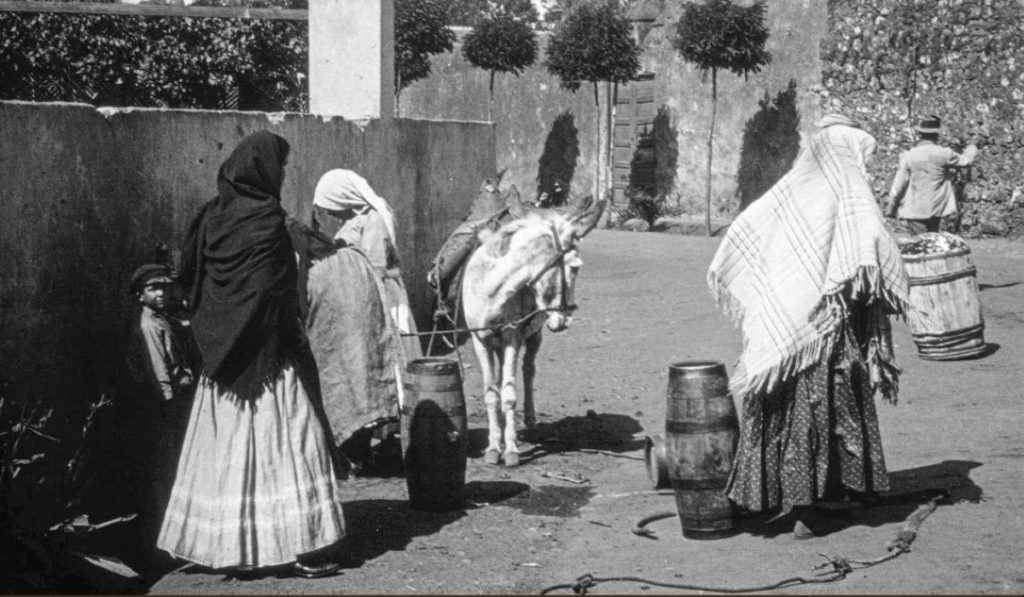
Oral history is proving essential to understanding the social structure of the Canary Islands over the last century—a time defined by hardship and the resilience of women. The Center for Popular Canarian Culture is currently hosting a series of meetings in San Cristóbal de La Laguna titled "La Laguna: Women who remember. Traditional trades." The initiative aims to preserve the memory of the work that helped many families survive during the postwar era and the decades that followed.
This forum is significant because it highlights occupations that have either vanished or are on the verge of disappearing. Through the stories of nine women, the series documents the roles of washerwomen, milkmaids, seamstresses, farmers, livestock breeders, street vendors, potters, domestic workers, weavers, and shopkeepers. These testimonies provide more than just anecdotes; they offer a clear look at local life and the unique challenges women faced during a difficult period in history.
Supported by the La Laguna City Council’s Department of Culture, the meetings are held at the Sala San Borondón at 6:00 p.m. The series opened this Monday with Lorena Rojas Rivero and Kina Rojas Suárez, who discussed their research on the Los Molinos neighborhood. On Tuesday, the program continues with Teófila Acosta Ramos, one of the first women to work as a bus driver in the islands.
The series features María del Carmen González Martín, known as "Mica," on Wednesday, followed by Concepción Pérez, president of the San Román Seniors Association, on Thursday. The event concludes on Friday with Juana Benítez Rodríguez, "Lila," and María Dolores González Benítez, who will share their experiences of daily life in La Cuesta during the mid-20th century. These free, public meetings are a vital step in honoring a generation whose economic and social contributions have often been overlooked in official history.