
La Laguna Issues Urgent Tender for Gracia Homes; Tejina Project Fails to Attract Bids
La Laguna's housing company Muvisa is advancing with plans for 29 affordable rental homes in Gracia, while reviewing the cancelled tender for a separate 50-home project in Tejina after receiving no bids.
The La Laguna City Council, through its housing company Muvisa, is moving forward with plans to build 29 affordable rental homes in the Gracia neighborhood. This project, which includes garages and storage rooms, is expected to cost 3,739,841.34 euros and take 18 months to complete. The tender for construction has been issued as an urgent procedure.
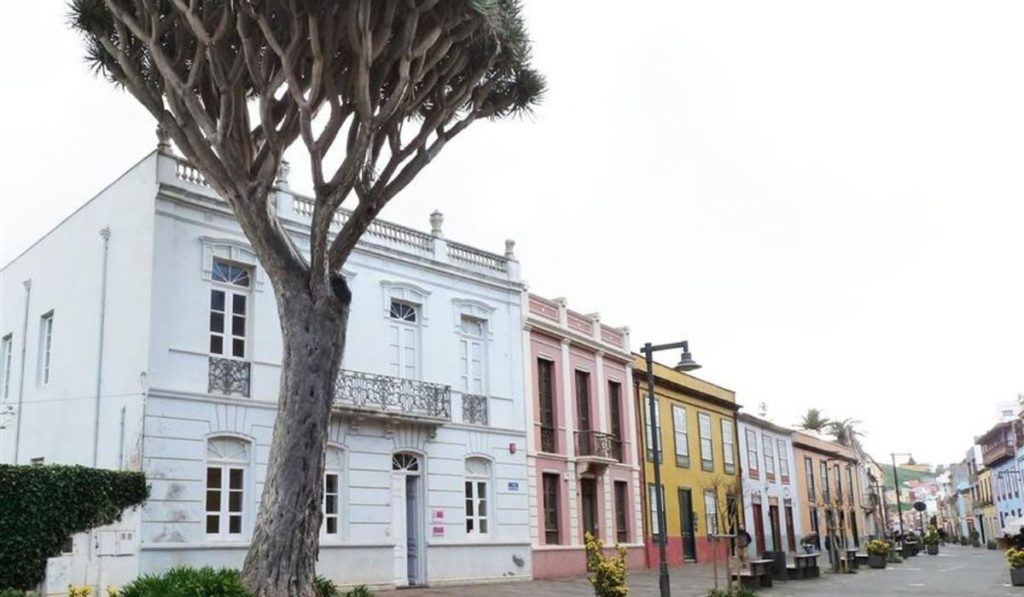
The new building will be located where Pico Cho Canino street meets Pasaje Miel de Palma, next to a pedestrian area.
The total cost for this project, including the land provided by the City Council, design work, and supervision, is 5,307,053.42 euros. It is being partly funded by grants from the Canary Islands Government and the Tenerife Island Council. The City Council will cover 52.84% of the cost over three years.
For this project, one million euros are set aside in the 2026 municipal budget, with an additional 1,489,638.62 euros planned for the following year, according to Muvisa.
These 29 homes in Gracia are part of a larger plan announced by the La Laguna City Council last November to build 79 affordable rental homes. The council committed over 13 million euros to two developments: this one in Gracia and another with 50 homes in Tejina.
However, the Tejina project, which also includes garages and storage rooms, faced a setback. The City Council put its construction out to tender in early December for 7,085,195.48 euros, with a 24-month completion period. But in early January, the tender was cancelled because no construction companies submitted bids.
Emilio Fariña, Muvisa's manager, explained that this is a common problem in today's construction market, especially for affordable housing. He cited rising costs for materials and labor, limited capacity among construction companies, and the need to work with very tight budgets.
Despite this, Fariña stated that Muvisa is reviewing the Tejina tender process to understand why there were no bids. Based on this analysis, they will decide on the best approach, which might involve changing parts of the project or the tender documents, to prepare a new tender that ensures the project is viable and serves the public interest. The goal is to tender and build the development efficiently and legally.
The homes in Tejina are planned for a plot at the corner of Auchón de Tagarafate street and El Gofio street.
The Tejina project is entirely funded by the municipality. This funding comes from over four million euros transferred by the Urban Planning Department, linked to an agreement to use profits from public land for housing. Another four million euros from the Social Welfare department, originally for buying existing buildings, has also been redirected after that tender was cancelled.
These eight million euros cover the construction tender, land costs, project design, and technical supervision.
Muvisa's manager, Emilio Fariña, emphasized that these public housing projects are part of a wider strategy to improve housing access and living conditions. He noted that in 2026 alone, Muvisa will invest significantly in rehabilitation, urban renewal, and housing projects, including finishing Phase 1 of Las Chumberas and various renewal efforts in other neighborhoods like Padre Anchieta and El Cardonal.
He also mentioned a one-million-euro investment in upgrading three recently acquired buildings, creating 21 affordable or social rental homes. Additionally, 70 municipal homes are being converted to affordable rental, and a building is maintained as housing for people experiencing homelessness.
Fariña added that municipal housing efforts go beyond construction. They also invest 1.57 million euros annually in housing support programs and promote an "empty home rescue" program, which helps private owners rent out vacant properties affordably and securely.