
La Laguna Approves Agroecological Park Project in Valle Guerra
La Laguna has partnered with the Plataforma Pueblo Unido Valle Guerra Association to transform 4,000 square meters of land into an agroecological park and bioclimatic classroom focused on sustainability and community resilience.
La Laguna is taking a major step toward sustainability after its local Governing Board approved a partnership with the Plataforma Pueblo Unido Valle Guerra Association. This agreement supports the "Bioclimatic Classroom and Green Regeneration" project, which aims to transform 4,000 square meters of land into an agroecological public space.
The city council will support the project by providing 9,000 euros worth of materials, rather than direct cash grants. Environment Councilor Domingo Galván praised the initiative, noting that it could pave the way for future community gardens, similar to others already established in the area.
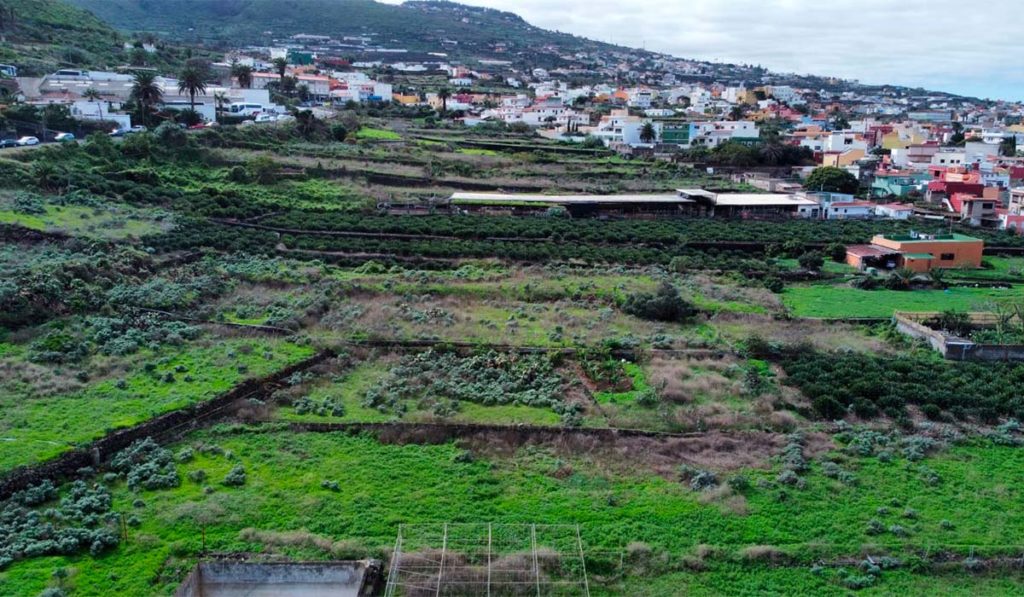
The project began during the neighborhood association’s public consultations for the new General Urban Development Plan. The site, a 60,000-square-meter area near the end of the TF-16 road, was originally zoned for industrial use. However, eight local landowners have now agreed to lend their unused plots to create an "Orchard Park," honoring the area’s agricultural heritage—a goal championed by local residents, particularly the elderly.
Work on the site began in January and includes restoring traditional stone walls and irrigation channels, integrating a local cattle farm, and planting a thermophilic forest. The project also features a wetland and a 75-square-meter greenhouse, funded by the CajaCanarias Foundation. This greenhouse will serve as a "bioclimatic classroom," offering training in the circular economy and climate adaptation for local youth.
Volunteers from the Pueblo Unido and El Tarajal Youth associations are leading the development, having received specialized training in landscape design and environmental restoration. Project coordinator Isabel Valencia explains that the park will serve as both a community hub and a key part of the local Urban Agenda. By restoring green space, improving water management, and protecting biodiversity, the project aims to reduce urban heat and promote local food production, shifting the focus from industrial growth to environmental resilience.