
Juan Manuel de Prada Suggests Surrealist Óscar Domínguez May Have Forged Works by Picasso and De Chirico
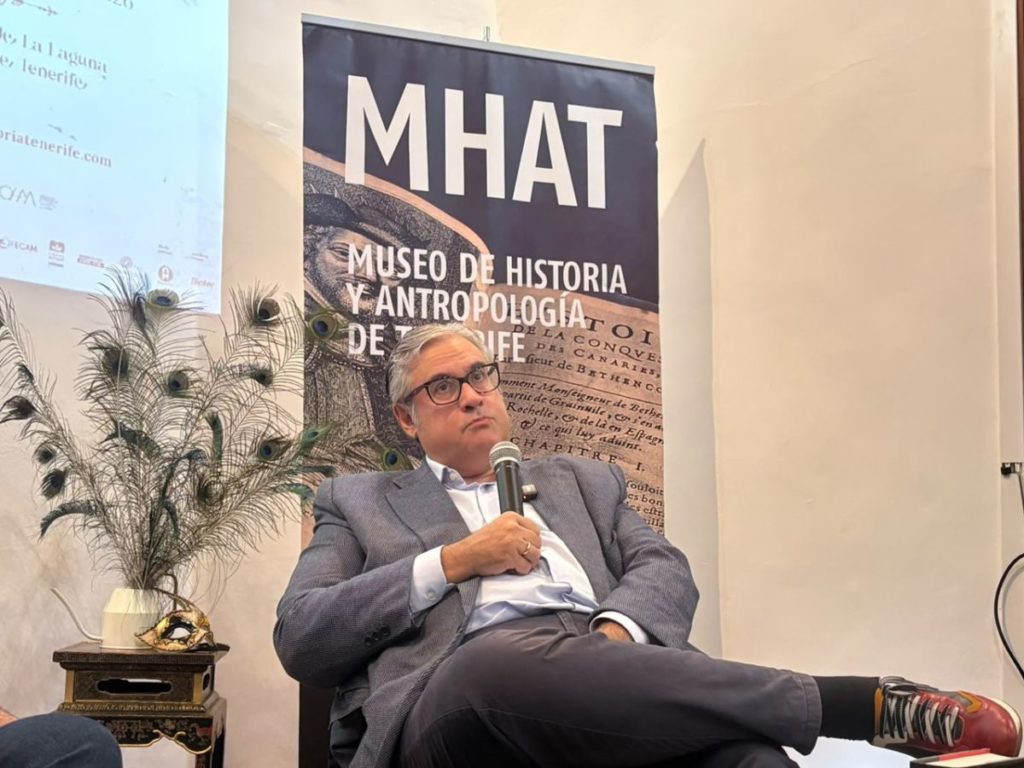
Author Juan Manuel de Prada’s presentation of his latest novel at Tenerife’s "Haciendo Historia" festival has reignited debate over the artistic legacy of surrealist Óscar Domínguez, suggesting the painter may have produced works currently attributed to masters like Picasso.
The recent presentation of Cárcel de tinieblas at Tenerife’s "Haciendo Historia" festival has sparked a fresh look at the legacy of surrealist artist Óscar Domínguez. As author Juan Manuel de Prada noted, the influence of the La Laguna-born artist—who died in Paris in 1957—reaches far beyond his official body of work. De Prada highlighted Domínguez’s remarkable ability to mimic masters like Picasso and De Chirico, raising the intriguing possibility that some works currently attributed to those famous artists might actually be the handiwork of Domínguez.
This exploration of art history and authenticity is a key theme in the second part of De Prada’s ambitious saga, Mil ojos esconde la noche, published by Espasa. The series continues a narrative journey the author began in 1997 with Las máscaras del héroe. It consists of two volumes: La ciudad sin luz, which depicts Paris under Nazi occupation from 1939 to 1941, and the newly released Cárcel de tinieblas, which covers the period from 1942 to 1943, just before the city’s liberation.
Now in its sixth year, the festival—held at the Museum of History and Anthropology of Tenerife—has grown into a significant forum for discussing Canarian identity. Coordinated by Eduardo García Rojas, the event featured a panel on the female perspective in Canarian literature, showcasing writers like Ana García Ramos del Castillo, Virginia González, and Inés Cardoso, the latter of whom was recently honored for her story La traición de Tenesoya.
De Prada’s contribution to the festival does more than promote his latest book; it reignites a debate about authorship in 20th-century art. By suggesting that Domínguez was a highly skilled forger, De Prada adds a layer of mystery to surrealist history, hinting that many supposed masterpieces may be hidden behind cases of mistaken identity or intentional imitation—a theme that mirrors the complex historical narrative of his latest novel.