
Japanese Surgeons Visit Spain's Sole IBRA Foot & Ankle Center in Tenerife
Two Japanese orthopedic surgeons traveled to Tenerife for a scientific exchange at the Canary Islands University Hospital Complex, Spain's only IBRA-recognized foot and ankle training center.
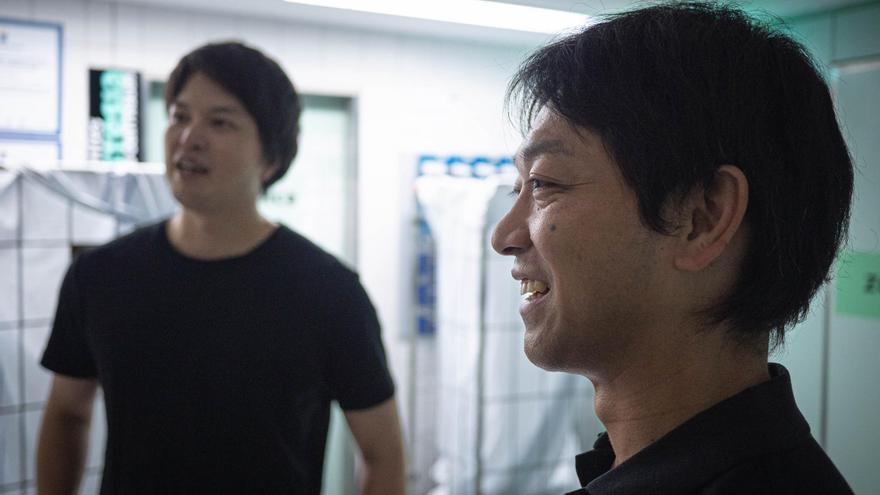
Tenerife and Japan are over 12,000 kilometers apart, a journey involving long flights and a big time difference. But this didn't stop two Japanese orthopedic surgeons, Tetsuya Yamamoto from Kobe University and Yoshiharu Shimozono from Kyoto University, from traveling to Tenerife for a scientific exchange.
This visit was part of a scholarship program from the International Bone and Research Association (IBRA). IBRA is a non-profit group dedicated to medical education and research. Every two years, they offer a two-week program for Japanese surgeons. During this time, the surgeons visit different European countries and "IBRA Training Centers," which are top specialized units, often focusing on advanced foot and ankle surgery.
After visiting the UK and Germany, the surgeons arrived at the Foot and Ankle Unit within the Traumatology and Orthopedic Surgery department at the Canary Islands University Hospital Complex (HUC). This unit became an IBRA Training Center in 2019, which is why it regularly hosts international visitors. Yamamoto and Shimozono aren't the first; in 2022, Masato Ogawa and Hiromu Ito from Kyoto University also visited. What makes this unit stand out even more is that it's the only specialized service of its kind in Spain recognized by IBRA. This recognition has put the Canary Islands on the map for international medicine and made the HUC a leading center.
The unit is also recognized nationally by the Spanish Foot and Ankle Society. Led by traumatologist Mario Herrera, the team of five professionals performs about 250 surgeries each year, both for inpatients and outpatients. Herrera explained, "This is a unique chance for them to learn techniques not common in Japan, and for us to learn from their experience too." He specifically mentioned arthroscopic surgeries and percutaneous foot surgeries, which are less common or developed in Japan.
The visiting surgeons themselves were impressed by what they learned. Yamamoto said, "I was very impressed by the minimally invasive surgery they perform." Shimozono agreed, adding, "This experience allowed us to exchange techniques and discuss ideas with other experts." They communicated in English, as neither spoke the other's native language.
Herrera believes these exchanges are "very enriching" for both medical professionals and patients. He noted that after the Japanese surgeons return home, two European surgeons will travel to Japan for a similar learning experience.
Despite their short stay, the Japanese surgeons made sure to explore the islands outside of their work. In just two days, they took part in six surgeries and also managed to visit Spain's highest peak. Shimozono shared, "We rented a car and visited Teide National Park, which we loved."
Their trip also included a visit to Puerto de la Cruz and a memorable dinner with their host, Dr. Herrera. A large steak, known as 'chuletón', was a highlight of their final night in the Canary Islands. However, Yamamoto said the lasting memory wouldn't be the food, but the warm welcome and care they received, especially at the hospital. "They took great care of us in the unit, especially Dr. Herrera. It has been a wonderful experience," he confessed.
Their European tour will conclude in Basel, Switzerland, adding a final touch to their rich cultural and professional experience. They'll need to pack their coats and scarves, though, as Switzerland, even outside of Northern Europe, won't offer the same warm weather and hospitality they enjoyed in the Canary Islands.