
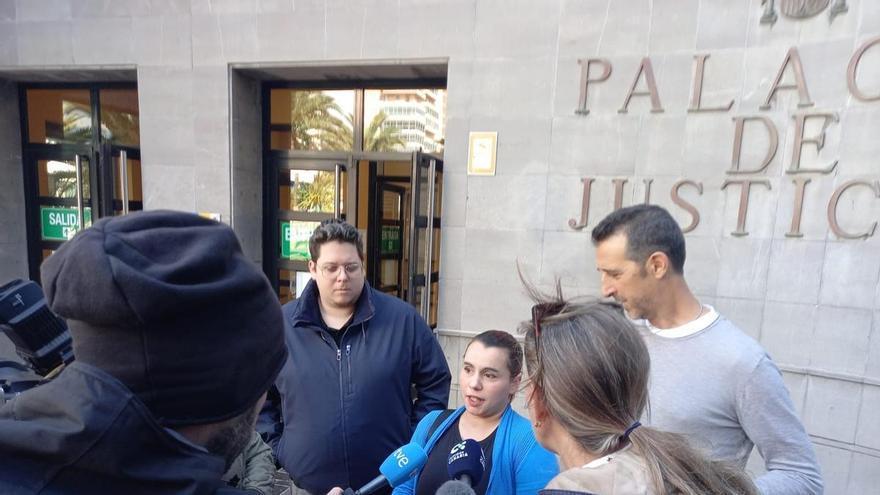
Investigation Launched After Minors in State Care Go Missing During Tenerife Carnival
Parents have filed a formal complaint against the Canary Islands government following the disappearance and alleged abuse of three minors during a state-supervised outing at the Santa Cruz de Tenerife Carnival.
Public authorities are facing renewed scrutiny after parents filed a formal complaint regarding the disappearance of three teenagers during the recent Carnival festivities in Santa Cruz de Tenerife. As reported by El Día, the case raises serious questions about the security protocols used during an outing organized by the NGO Aldeas Infantiles, which operates centers under the supervision of the Canary Islands government.
The complaint, now before the Public Prosecutor’s Office, questions whether it was appropriate to take minors in state care to a crowded event known for heavy alcohol consumption. The parents are demanding to know if the Cabildo de Tenerife’s Childhood and Family Unit actually authorized the trip, given the vulnerability of the children involved. So far, the lack of a response from the Cabildo has left families concerned about the safety measures that should have been in place on February 16.
According to the families, several operational failures allowed the teenagers—aged 14 and 15—to slip away. They were reportedly left without phones, identification, or any way to be tracked. During the 48 hours they were missing, the girls allegedly stayed in a building in the Los Gladiolos neighborhood with other teenagers and adults, a situation the parents insist must be thoroughly investigated.
The situation is further complicated by allegations of sexual assault. The parents state that the minors have reported participating in sexual acts that could be criminal. Furthermore, the families claim that standard protection and medical protocols were not followed after the girls were found. Specifically, they allege that requests for immediate forensic examinations—essential for gathering evidence and ensuring the victims' well-being—were ignored.
This incident has reignited the debate over the legal responsibility of organizations and public institutions to supervise children in their care. Current regulations state that the government is ultimately responsible for the safety of minors in state custody, prompting calls for a review of whether recreational activities in high-risk environments meet the necessary safety standards.