
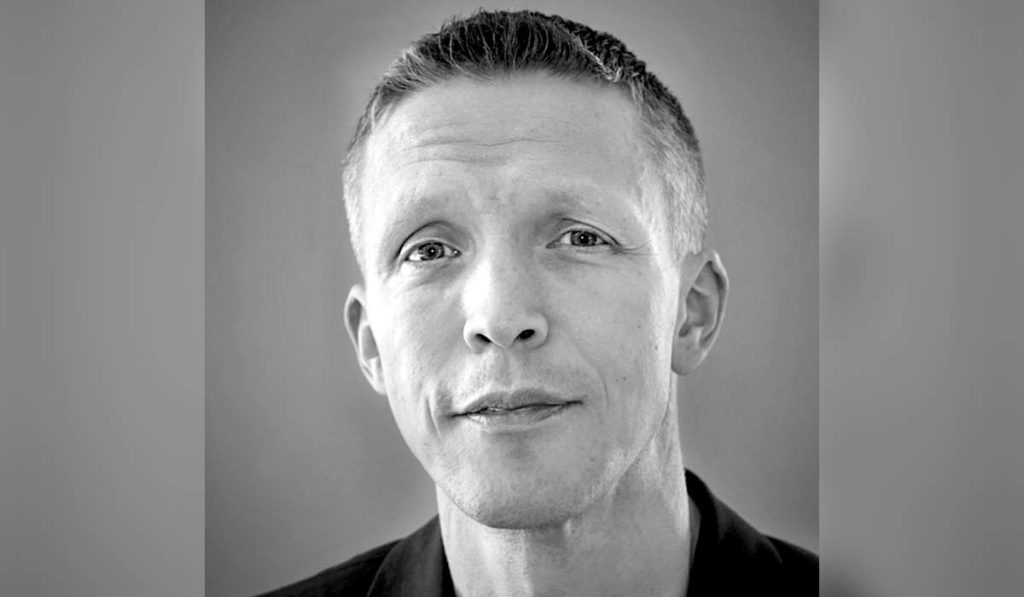
Inuk Jørgensen Champions Narrative Sovereignty for Greenlandic Cinema
Greenlandic filmmaker Inuk Jørgensen is championing "narrative sovereignty" by empowering indigenous communities to reclaim their cultural identity through film and decentralizing the industry from the geographical periphery.
"Narrative sovereignty"—the right for a community to tell its own story—has become the foundation of cultural policy in remote regions, and Greenlandic filmmaker Inuk Jørgensen is one of its most prominent voices. In a recent interview at the Insularia festival, Jørgensen explained that his work is built on two pillars: island identity and resisting how outsiders view his culture.
Jørgensen’s attendance at the festival, where his film Entropy is being screened, highlights the role of film festivals in decentralizing the industry. For Jørgensen, who balances his creative career with his roles at the Nordic Film School and the European Film Academy, these festivals are more than just showcases; they are strategic tools that help indigenous communities reclaim their own image. This is particularly important in an industry where cinema has historically been used to push colonial narratives. Jørgensen is actively working to change this through his position at Film.GL, where he is helping to establish a national film institute for Greenland.
For Jørgensen, the short film is not just a stepping stone to a feature-length movie; it is a powerful, independent format that helps Inuit filmmakers bypass the funding barriers they have faced for years. By using the landscape as a central character, his work connects with other island cultures, such as the Canary Islands. He believes that island life—defined by a unique rhythm and a deep connection to the elements—creates a shared language that can address global issues like the climate crisis from both a local and universal perspective.
Jørgensen is also committed to training the next generation of Greenlandic filmmakers. He believes that for an audiovisual industry to be sustainable, young people must be able to tell their own stories without relying on tired stereotypes of victimhood or exoticism. By encouraging an "internal gaze," he hopes to shift the focus from vulnerability to cultural strength. Ultimately, Jørgensen views the geographical "periphery" not as a margin, but as a vantage point from which to observe and challenge global change, asserting every culture's right to be the author of its own history.