
"Insolent" Behaviour Costs Tenerife President Police Compensation Claim
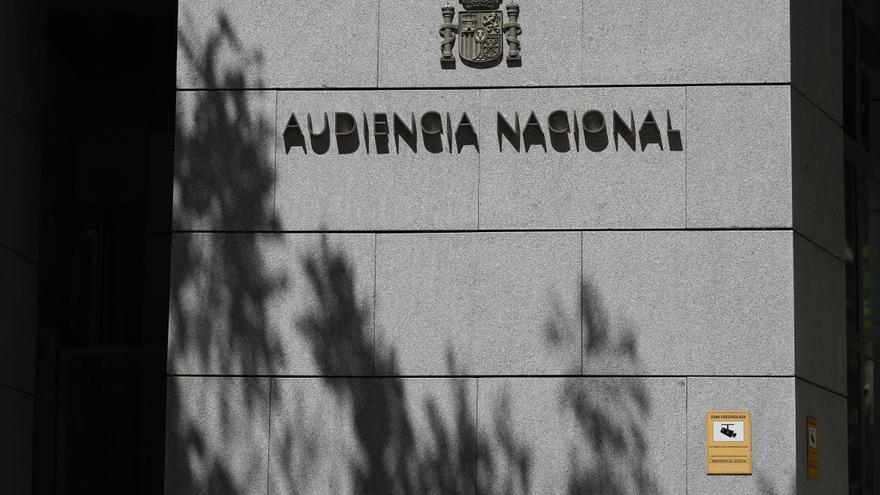
Spain's National Court rejected a compensation claim from a Tenerife bungalow complex president who sued after a Civil Guard officer briefly entered his property, citing his "insolent and defiant" behaviour towards police.
Spain's National Court has rejected a compensation claim from the president of a bungalow complex in southern Tenerife. He had sought money after a Civil Guard officer briefly entered his property. However, the court ruled against him, citing his "insolent and defiant" behaviour towards the police during an incident.
The incident happened in 2014, after the complex's security guard called the Civil Guard.
The man, who was the plaintiff in the case, initially refused to leave the pool. When he finally did, he wouldn't show his ID, eventually presenting a foreign passport. A struggle then broke out at his front door, during which one of the officers briefly went inside. His wife filmed this on her mobile phone.
Initially, a court in Santa Cruz de Tenerife found the officers guilty of trespassing. However, it dismissed other accusations against them, such as document forgery, unlawful detention, torture, and minor injuries. The man himself was cleared of charges of assault and minor injuries.
Later, Spain's Supreme Court overturned this decision, clearing the Civil Guard officers of all charges. The man then appealed to the National Court, seeking 60,000 euros in compensation. He claimed this money was for the emotional and financial harm he suffered due to the police action and the six-year legal battle.
The 69-year-old man was arrested on September 14, 2014, by two officers from the Playa de Las Américas station. He argued that his arrest was "unnecessary and unlawful," claiming the officers entered his home "without authorization, exceeding their duties, and abusing their authority."
He also argued that police shouldn't have entered his home without a court order. He detailed various financial and emotional damages, providing a list of expenses, including those from a criminal case that, he said, harmed his "well-being as a person."
The State Attorney admitted that the officers' entry into the house was initially deemed illegal. However, they pointed out that the Supreme Court later overturned this conviction because of the man's "disrespectful and defiant" behaviour towards the officers.
At the time, the man was the president of the homeowners' association. He told the Civil Guard officers this, even claiming they had no authority in the complex. When they escorted him to his property, a struggle ensued, and the officers briefly entered his home for a few seconds.
The National Court stated: "It is clear that the Civil Guard agents' actions were lawful, and the plaintiff had a legal duty to accept the measures taken by the officers. They intervened precisely because of the conflict created by the plaintiff and his wife."
The Council of State also opposed the compensation. They argued that the brief entry into his home was a result of "a private situation of tension caused by the complainant's repeated disobedience."
They specifically noted that for 20 minutes, the man refused to identify himself, acted "insolently," and created a "confused" situation. His wife then recorded this, and these images were later used as "illegitimate" evidence against the officers.