
INCIBE Warns of Surge in QR Code Scams Targeting Personal Data
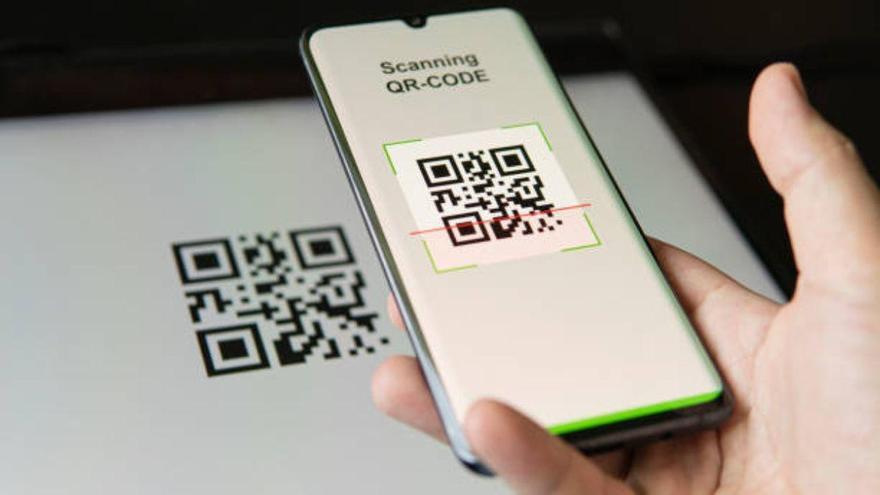
The National Cybersecurity Institute (INCIBE) is warning of a surge in QR code scams, where criminals use malicious links on fake notices and menus to steal personal and banking information.
The National Cybersecurity Institute (INCIBE) is warning of a rise in cybercrime involving QR codes. Scammers are using these codes to trick people into visiting fake websites that look legitimate, aiming to steal banking details and personal information.
These codes are appearing everywhere—from parking meters and restaurant menus to delivery notifications and even fake traffic tickets left on car windshields. In the case of fake fines, scammers pressure drivers to pay immediately through a malicious link. Experts note that these scams often contain spelling errors and unrealistic payment deadlines. Crucially, official traffic authorities do not use QR codes to issue fines or collect payments.
The success of these scams relies on users clicking links without checking where they lead. To protect yourself, experts recommend adjusting your smartphone settings—on both Android and iOS—to display the full URL before a website opens. This allows you to verify the web address before you visit it.
This trend highlights the need for better digital habits. Because scammers are now using physical objects to hide their digital traps, it is vital to stay alert. Protecting your data requires more than just security software; it requires a healthy dose of skepticism whenever you are asked to provide payment or personal information through an unexpected or suspicious source.