
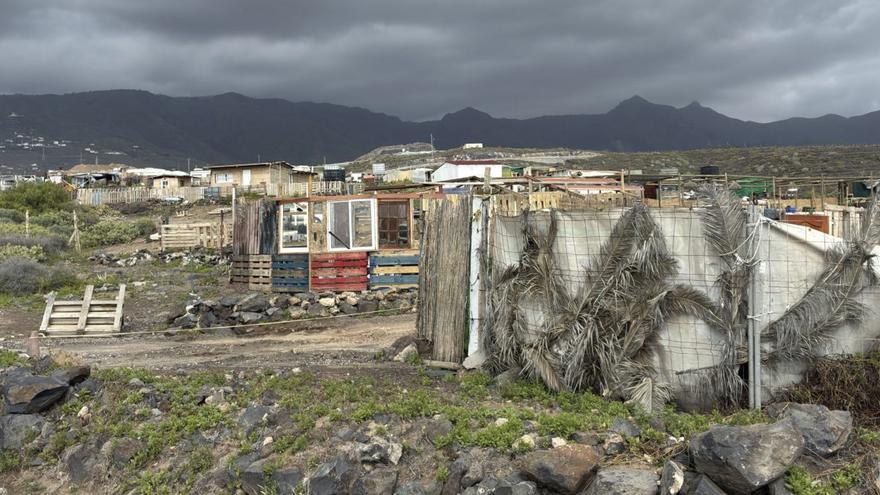
Illegal Settlements Surge in Southern Tenerife Sparking Environmental and Legal Crisis
The rapid proliferation of illegal settlements across southern Tenerife has created a structural crisis, threatening protected environments and overwhelming local authorities with complex legal and urban planning challenges.
The rapid growth of illegal settlements in southern Tenerife has reached a critical point, threatening both the island’s environment and the rule of law. A recent investigation reveals that these colonies now house nearly 4,000 people along a 30-kilometer stretch. What was once an isolated issue has become a structural crisis that local authorities are struggling to manage.
The settlements, which span from Los Abrigos to La Caleta and reach into municipalities like Vilaflor and Guía de Isora, are varied in nature. While the housing crisis—driven by rents exceeding 750 euros and shared rooms costing over 400—is a factor, officials note that many occupations are driven by lifestyle choices or the commercial exploitation of rural land. In areas like El Puertito de Adeje, where 168 makeshift structures have been identified, social services report that only a minority of residents are in extreme poverty, suggesting the issue goes beyond a simple need for affordable housing.
The situation is worsened by speculative practices, where rural landowners illegally divide plots to sell them for modular homes. This disregard for land protection laws has forced councils like Adeje to involve the Public Prosecutor's Office, as traditional administrative measures have proven ineffective. The crisis is particularly severe in Arona, where an estimated 2,000 people live in irregular conditions. This includes the Lomo Negro area, a protected site where hundreds of structures are already under judicial demolition orders.
Local mayors argue that administrative paralysis is fueling this growth. A lack of coordination between town councils, environmental agencies, police, and the courts has created a bottleneck that officials describe as unsustainable. Despite meetings between representatives from nine municipalities, the lack of a unified action plan has left the problem at a standstill.
Environmental damage is also a major concern. The buildup of waste and the degradation of protected land have led councils to demand urgent help from regional authorities. Because legal proceedings are so slow, many feel there is a sense of impunity, which only encourages further illegal occupation. While the justice system and bureaucracy move at their own pace, the landscape of southern Tenerife continues to change, marking one of the most significant urban planning challenges the archipelago has faced in a decade.