
Icod de los Vinos and Tenerife Cabildo Clash Over Youth Center Funding and Credit
The Icod de los Vinos City Council and the Tenerife Island Council are in a dispute over the rising costs and political credit for the renovation of the Casa Emeterio Gutiérrez Albelo youth center.
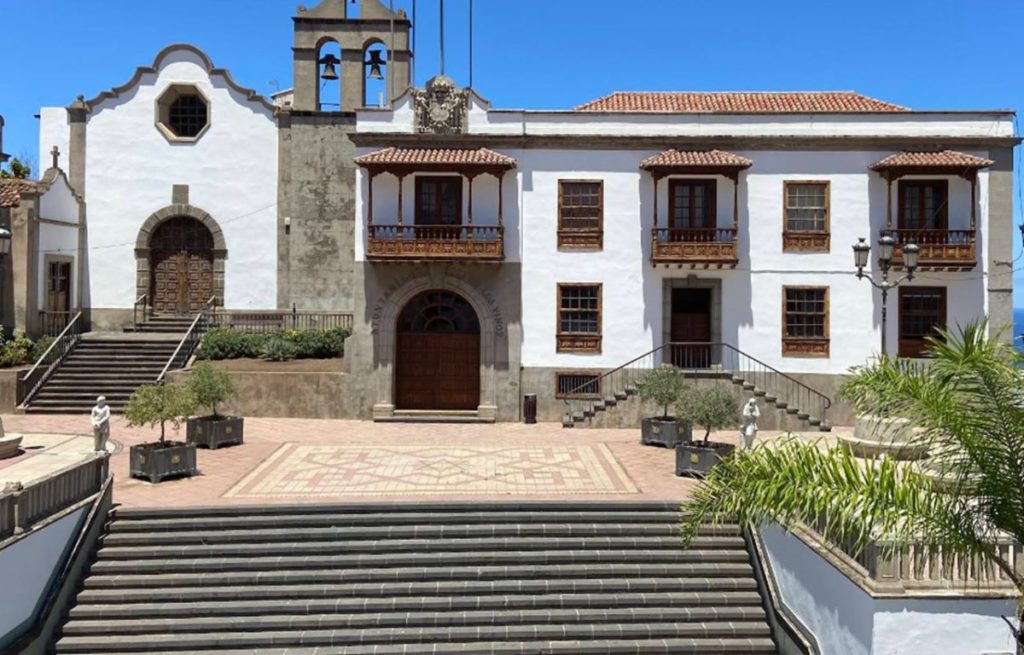
A dispute has broken out between the Icod de los Vinos City Council and the Tenerife Island Council (Cabildo) over the management of the town’s future Youth Center. The disagreement highlights ongoing tensions regarding co-financed projects, specifically concerning who is responsible for rising costs and who deserves credit for the infrastructure.
The conflict centers on the Cabildo’s recent decision to extend the collaboration agreement for renovating the Casa Emeterio Gutiérrez Albelo by six months. The Cabildo maintains that the project costs 772,782 euros, with them covering 80% and the municipality 20%. However, Icod’s local government, led by Mayor Javier Sierra, rejects these figures. The City Council claims that after updating the project’s technical requirements, the actual cost has risen to 1,232,700 euros, with both administrations now covering roughly half of the total.
This accounting gap stems from the original 2021 agreement, which set a fixed contribution from the Cabildo. That contract left the municipality responsible for any cost overruns or technical issues. As a result, the City Council has had to absorb the extra costs after the current local administration—a coalition of Alternativa Icodense and the PSOE—revived the project following years of inactivity.
The Mayor’s office notes that they updated the renovation plan between May and June 2024 and contributed an additional 300,000 euros from the municipal budget to move the project forward.
Beyond the numbers, the dispute highlights a struggle over political credit. Mayor Sierra has been clear that the project’s progress is due to local efforts rather than new initiatives from the Cabildo. Ultimately, the situation illustrates the difficulties that arise when initial project estimates fail to account for rising construction costs and shifting political priorities.