
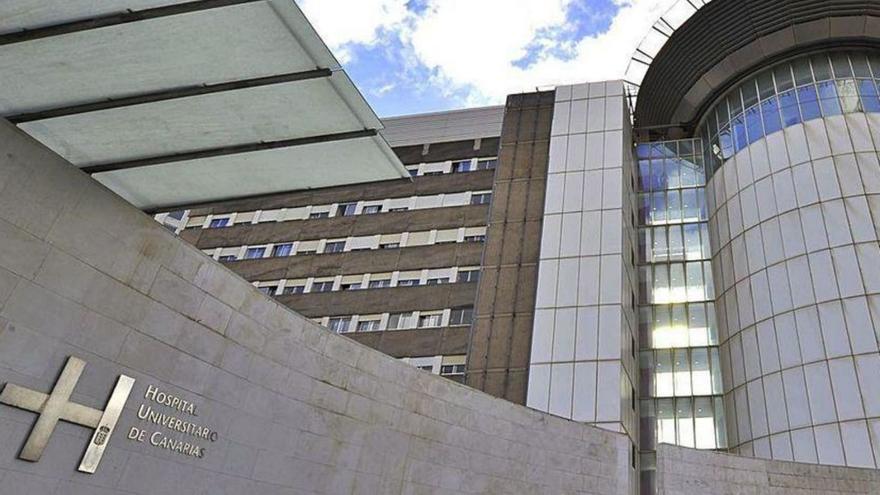
HUC Staff Shortages Jeopardize Patient Care, Union Warns
Nursing union Satse alleges the Hospital Universitario de Canarias (HUC) is failing to fill absences for nurses, physiotherapists, and midwives, leading to severe staff workload and risks to patient safety.
The nursing union, Satse, announced on Thursday that many absences for nurses, physiotherapists, and midwives at the Hospital Universitario de Canarias (HUC) are not being filled. This includes staff on temporary leave, those with permits, or working reduced hours.
Satse stated they don't know why these positions aren't being covered, especially since there are qualified professionals available on the hospital's hiring lists.
In a statement, the union explained that this problem affects all departments at HUC, even critical care units and areas with many patients. When absences in these crucial areas go unfilled, it puts extra pressure on the staff who are working.
Satse believes this situation is due to a policy aimed at saving money. However, it leads to a "severe workload" for nurses, midwives, and physiotherapists, an "excessive" number of patients per staff member, and a clear risk to the safety and health of both hospital workers and patients.
The union has called for all absences, whether planned or unexpected, for nurses, physiotherapists, and midwives to be covered completely. This would prevent the remaining staff from being overburdened.
Satse finds it "unacceptable" that this problem continues at HUC, which is a major hospital. They argue that the hospital is prioritizing saving money over the safety, health, and quality of patient care.
The union also pointed out that HUC already doesn't have enough nursing staff. Any decision to limit coverage for absences risks the continuous and high-quality care patients receive. It also exposes staff to working conditions that could harm their physical and mental well-being.
Even when some new staff are hired, not all absences are covered. This forces nurses, midwives, physiotherapists, and other professionals to take on extra work, work additional shifts, or give up their days off.
Satse noted that this clearly affects their physical, psychological, and mental health, making it harder for them to balance work with their personal and family lives.
"It's especially serious that permits meant to help with work-life balance actually have the opposite effect," Satse commented. "This is because these absences aren't covered, putting more strain on other colleagues in the unit."
The union also warned that this situation negatively impacts patient care, leading to a drop in quality and safety, and longer waiting times.