
HUC Highlights Speech Therapy's Broad, Surprising Scope
On World Speech Therapy Day, the University Hospital of the Canary Islands (HUC) highlighted the surprisingly diverse work of its speech therapists, extending from neonatal feeding issues and neurorehabilitation to voice disorders and transgender voice therapy, far beyond common perceptions.
On World Speech Therapy Day, the University Hospital of the Canary Islands (HUC) is highlighting the wide and often surprising range of work done by its speech therapists. Their practice goes far beyond just correcting pronunciation or helping children, challenging common misconceptions. The HUC's speech therapy team, made up of nine specialists, is a prime example of how versatile and important this healthcare field is.
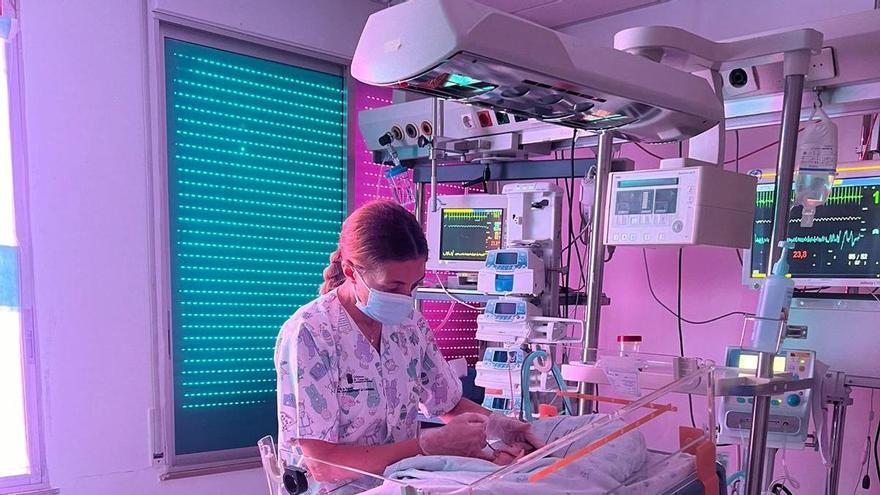
Speech therapy at the HUC helps patients from newborns in intensive care all the way to adults in outpatient clinics. In the neonatal unit, speech therapists assist both premature and full-term babies who struggle to coordinate sucking, swallowing, and breathing – for example, due to tongue-tie, which makes safe feeding difficult. Catching and treating these issues early is vital for a baby's healthy development.
Next, in the Early Intervention unit, they work with children under six who have or are at risk of developmental delays. Here, the focus is on developing communication skills, social interaction, and language. Families play a key role in this process, actively participating in therapy.
A prominent area is the Neurorehabilitation unit, a multidisciplinary space that brings together speech therapy, physiotherapy, and occupational therapy. Hospital sources say this setup is unique in Spain. They treat complex conditions like aphasia, often caused by strokes. Patients with aphasia might understand what's being said but struggle to communicate themselves. Early intervention in this context aims to stimulate healthy brain areas and help the brain reorganize itself. This helps patients regain independence and, often, ensures they can swallow safely again.
Outside the hospital, HUC speech therapists also work in outpatient clinics, treating voice disorders (dysphonias) and neurodegenerative diseases such as Amyotrophic Lateral Sclerosis (ALS). For these patients, the main goal is to help them maintain essential functions like breathing, swallowing, and communication for as long as possible. In fact, one specialist focuses solely on this work at the Specialized Care Center (CAE) in La Orotava.
The hospital's Voice unit, which is ISO-certified, is a crucial part of the hospital's services. This unit works closely with the Ear, Nose, and Throat (ENT) department, specializing in treating voice disorders, both physical and functional. These include issues like hoarseness or loss of voice tone, often due to nodules, polyps, or paralyzed vocal cords. Using techniques like stroboscopy, they can make accurate diagnoses and offer personalized treatments, sometimes preventing the need for surgery.
Furthermore, the Voice unit addresses specific disorders like puberphonia, a condition where teenagers and young adults keep a high-pitched or childlike voice even after puberty. This same therapeutic approach is applied to help transgender individuals with voice feminization or masculinization. The team understands that voice is a key part of personal identity and works to match a person's voice tone, resonance, and communication style with their true self.
In summary, speech therapy is far from a minor or child-focused field. It's a vital healthcare profession that helps patients regain safety and independence throughout their lives, dealing with many different health problems. Its wide and crucial impact deserves much greater recognition.