
HUC Helipad Records Over 300 Emergency Flights Since 2025
The helipad at the Hospital Universitario de Canarias has become a critical medical hub, facilitating hundreds of life-saving emergency air transfers for patients across the Canary Islands.
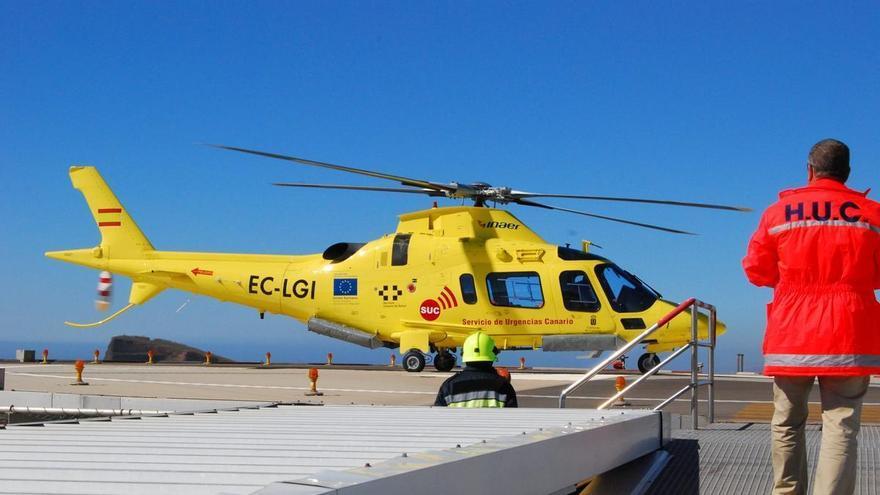
The helipad at the Hospital Universitario de Canarias (HUC) has become a vital part of the region’s healthcare network, according to recent data from the Ministry of Health. Designed to speed up the transport of patients in life-threatening situations, the facility hosted 237 medical flights from the Canary Islands Emergency Service (SUC) in 2025. This high level of activity has continued into 2026, with 99 landings recorded in the first half of the year.
Heart-related conditions are the most common reason for these air evacuations. Last year, 57 patients were flown directly to the cardiology department, while another 45 required immediate emergency care. This rapid response is crucial for the Canary Islands, where the geography makes specialized medical transport essential. Nearly 80% of these flights originated from La Palma, La Gomera, and El Hierro, though the service also covers emergencies in Tenerife and occasionally Gran Canaria.
In addition to receiving incoming patients, the helipad is a key logistical hub, managing 21 extra operations last year for patient transfers to other hospitals and the transport of organs for transplants. Activity peaked during the summer, with August seeing the highest number of landings (24), while February and December were the quietest months, with 11 operations each.
The success of this service is due to the helipad’s design and the efficiency of the hospital’s protocols. Located on top of a tower with direct access to critical care units, operating rooms, and wards, the helipad allows patients to be moved to medical teams in minutes. Once the emergency service alerts the hospital, security staff have ten minutes to secure the site—checking lighting, wind, and safety conditions—while medical teams mobilize to ensure the patient receives immediate, life-saving care.