
How a Quiet Tenerife Fishing Village Became a Culinary Destination
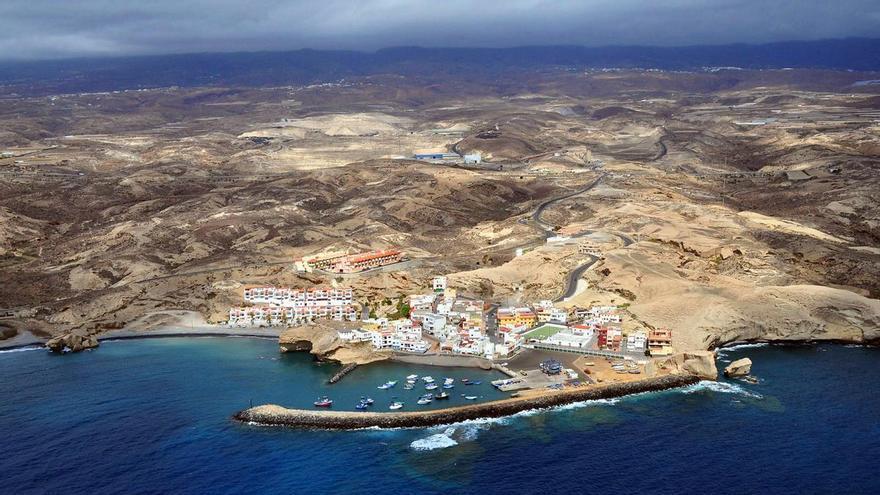
The coastal village of Tajao in Tenerife has evolved from a traditional fishing and farming settlement into a renowned culinary destination celebrated for its simple, high-quality seafood.
The transformation of Tajao, a small coastal village in Tenerife’s Arico municipality, was recently highlighted by food content creator Cocituber. In a video for his half-million TikTok followers, he explored how this quiet fishing settlement evolved into one of the Canary Islands' most popular dining destinations.
Tajao’s culinary reputation is a relatively new development, beginning in the late 1970s. It started when a local resident began cooking fresh catches for workers and visitors. This simple initiative changed the village’s economy; instead of just selling fish to outsiders, the village began attracting visitors who traveled directly to the source to enjoy a meal.
This shift is rooted in the area's history. For decades, Tajao relied on a subsistence economy where fishing and farming—specifically tomato cultivation—went hand-in-hand. Residents often traded crops for fish to survive. Beyond the primary sector, the village also had a history of stone quarrying, with local stone once exported as far as the Americas.
Today, Tajao’s dining scene—led by long-standing spots like Manolo II (opened in 1979) and Agua y Sal—is defined by simplicity. The menus focus on high-quality, local seafood like parrotfish, grouper, wreckfish, octopus, and tuna, favoring fresh ingredients over complex recipes. This business model is simply a modern extension of the village’s lifelong connection to the Atlantic.
Ultimately, Tajao was not built to be a tourist destination; its restaurants are a natural result of its history. The village’s identity was shaped by the sea long before the first restaurant opened, turning a traditional way of life into the economic and cultural heart of southeastern Tenerife.