
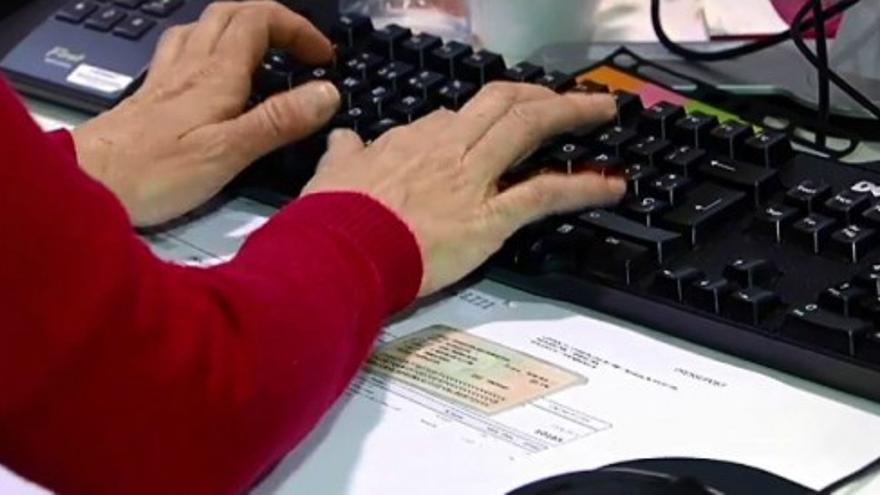
Hotels Banned From Copying Guest IDs
Hotels are not legally permitted to demand copies of guests' IDs, as this violates data protection regulations and can lead to significant fines.
When you check into a hotel or tourist accommodation, they often ask for your DNI (National Identity Document) and might even request a physical or digital copy. However, the law states that guests don't have to provide a copy, and hotels aren't allowed to insist on it. They are only permitted to look at your ID to verify it.
Legal expert Sandra Jurista points out that "hotels can only check your ID visually or use official forms to write down key information." Asking for a photocopy of your DNI or passport could lead to minor or serious legal breaches, resulting in significant fines for the accommodation.
The Spanish Data Protection Agency (AEPD) has confirmed that hotels are not allowed to ask for a copy of your DNI or passport. This is because a copy includes more details than needed, like your photo, the ID's expiry date, the CAN number, or family information. This goes against the 'data minimization' rule of the General Data Protection Regulation (GDPR), which says that only essential data should be collected.
Keeping a copy of your ID also increases the risk of identity theft, especially in places like hotels that manage personal information for many guests.
The AEPD also explained that a DNI doesn't contain all the details required by Annex I of Royal Decree 933/2021. So, simply having a DNI copy isn't enough to meet this regulation. Royal Decree 933/2021 aims to "protect people and property and maintain public order," recognizing how important "accommodation logistics" are "in the methods criminals use," as its Explanatory Memorandum states. Therefore, sending a copy of an ID doesn't fully confirm someone's identity and isn't suitable for fulfilling the regulation's purpose.
However, the rules do allow for identity checks without needing an ID copy.
For example, when you check in person, hotels can simply compare the information you give them with your ID. If you're checking in online without meeting anyone, they can use tools like digital certificates. They can also check if the details you provide match the information linked to your payment method. Another option is to send security codes to your phone or email address to confirm your identity.