
Historic Tenerife Bridge Faces Modernization Debate Ahead of 120th Anniversary
As the historic 120-year-old viaduct connecting Santa Úrsula and La Victoria de Acentejo approaches its anniversary, local officials are debating how to modernize the pioneering reinforced concrete structure to meet contemporary safety standards while preserving its architectural heritage.
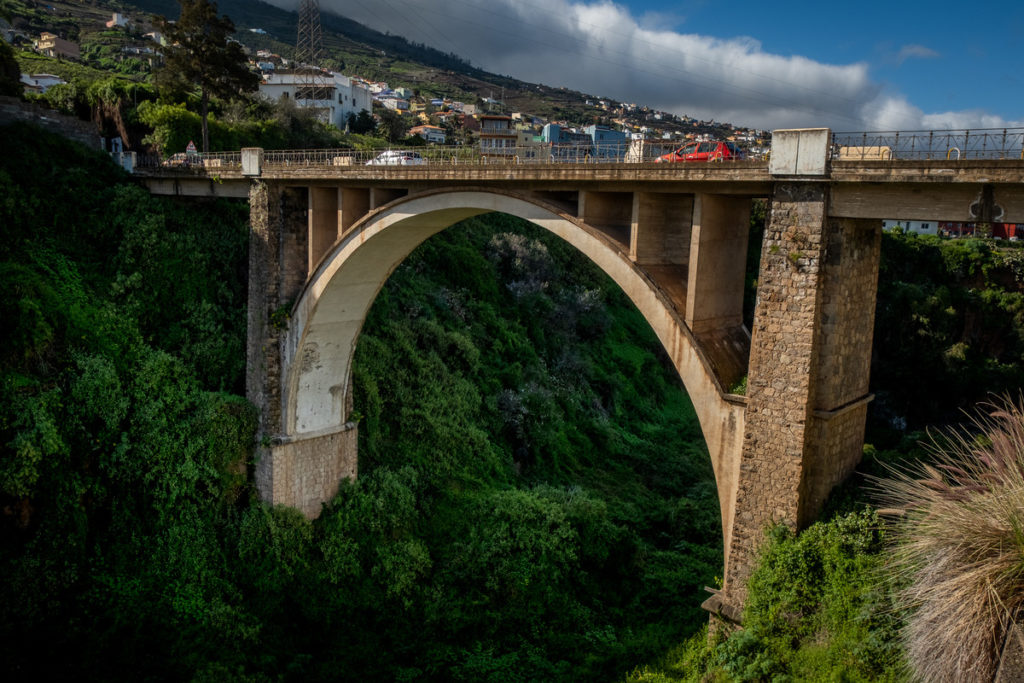
The bridge connecting the Tenerife towns of Santa Úrsula and La Victoria de Acentejo is approaching its 120th anniversary. As reported by Diario de Avisos, this milestone has sparked a new debate over how to preserve and modernize the viaduct, which was a pioneer in the use of reinforced concrete in the Canary Islands.
The bridge is more than just a transport link. Opened in 1909, it was a major technical achievement as one of the first examples of the "Ribera system" in Spain. It also holds a unique place in history: its construction was the result of a clever petition by local residents during King Alfonso XIII’s visit to the island in 1906. By using a theatrical performance to capture the King’s attention, the locals secured a royal promise to build the bridge—a move by the Crown to ease social tensions following the colonial crisis of 1898.
Designed by engineer José Eugenio Ribera, the viaduct is famous for its 83.20-meter single arch, a design chosen to handle the island’s complex volcanic terrain. Built for just over 124,000 pesetas, the project became a landmark in civil engineering and was even studied at the School of Civil Engineering in Madrid.
However, after more than a century, the bridge is struggling to meet modern needs. Local leaders in both towns agree that action is required. While officials in Santa Úrsula are focused on preventive maintenance to protect the bridge’s heritage, the mayor of La Victoria de Acentejo, Juan Antonio García Abreu, has called for a more comprehensive overhaul.
The primary concerns are road and pedestrian safety. The bridge is too narrow for heavy vehicles, and the current sidewalks and railings offer little protection for pedestrians. These issues highlight the ongoing struggle to balance the preservation of historical landmarks with the safety requirements of the 21st century. Despite repairs in the 1980s, the bridge now faces the challenge of remaining a vital local link without compromising the safety of those who use it every day.