
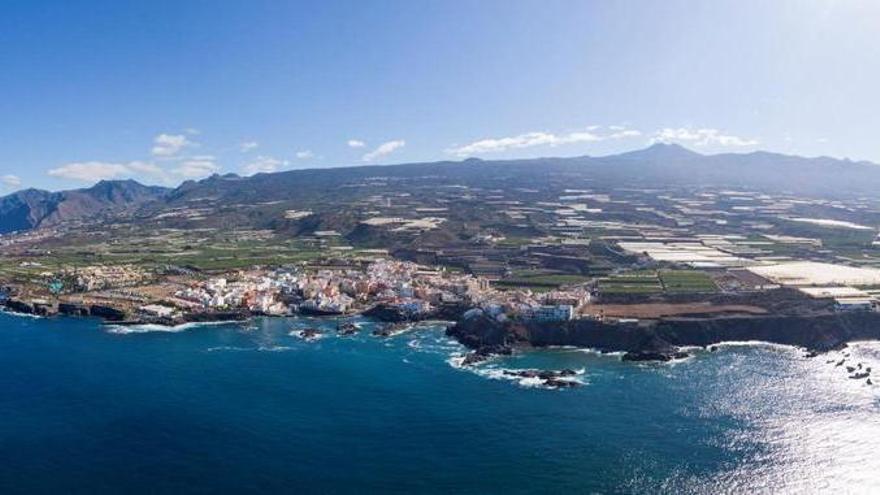
Guía de Isora Pivots to Sustainable Marine Tourism
Guía de Isora in Tenerife is shifting its tourism focus to prioritize sustainability and marine life protection, launching the "HOPE" project to establish a marine species sanctuary in its biodiverse coastal waters.
Guía de Isora, a town in Tenerife, is changing its approach to tourism. The local council announced that it's now focusing heavily on sustainability and protecting its marine life. This new direction includes projects like "HOPE," which aims to create a sanctuary for marine species in the area.
The coast of Guía de Isora, part of the Teno-Rasca marine area, is known for its incredibly rich marine life. It's home to many dolphins and pilot whales, and it's an important route for sea turtles and various fish. This unique ecosystem has attracted scientific attention. For example, in January 2025, the NGO Condrik Tenerife spotted a rare "black devil fish" (Melanocetus johnsonii). This deep-sea creature is rarely seen, highlighting how special this environment is. After it died naturally, the fish was sent to the Museum of Nature and Archaeology (MUNA) for research.
The HOPE project, which stands for "Marine Species and Cetacean Sanctuary in the MAC Space," is a key part of protecting the marine ecosystem of the Macaronesian region. It's championed by Ayoze Medina, the Councillor for Local Development and Tourism, and managed by Innoceana. The project aims to build a conservation center in Alcalá, Guía de Isora. This center will work to educate the public, support scientific studies, and encourage responsible wildlife viewing. It will also operate within the "blue economy" framework, using new technologies to achieve its goals.
This project receives funding from FEDER. It brings together partners from the Canary Islands, Madeira, and the Azores, along with collaborators from African countries. This setup helps share knowledge and encourages cooperation across borders. The project's activities will include international meetings, training courses, volunteer opportunities, and creating new tools to study the ocean floor.
Guía de Isora presented its new vision at an international tourism fair in Madrid. Carlos Álvarez, the acting mayor, explained the town's commitment to a balanced tourism model. This model puts protecting the area and improving residents' quality of life first. Councillor Medina stressed that the natural environment and its rich biodiversity are what make Guía de Isora special. Eulalia Vargas Barroso further explained the Marine Species Sanctuary, describing it as a coastal area designed to raise awareness and create opportunities related to sustainable tourism. Carlos Mallo, founder of Innoceana, highlighted how crucial marine conservation is for the region's future.
To share this new plan, the local council will use various communication and promotional tools. These include videos, photo collections, and public events focused on marine biodiversity. The goal is to strengthen Guía de Isora's identity as a destination dedicated to sustainability and responsible tourism.