
Greenpeace Launches Campaign to Halt Development in Canary Islands’ Whale Heritage Site
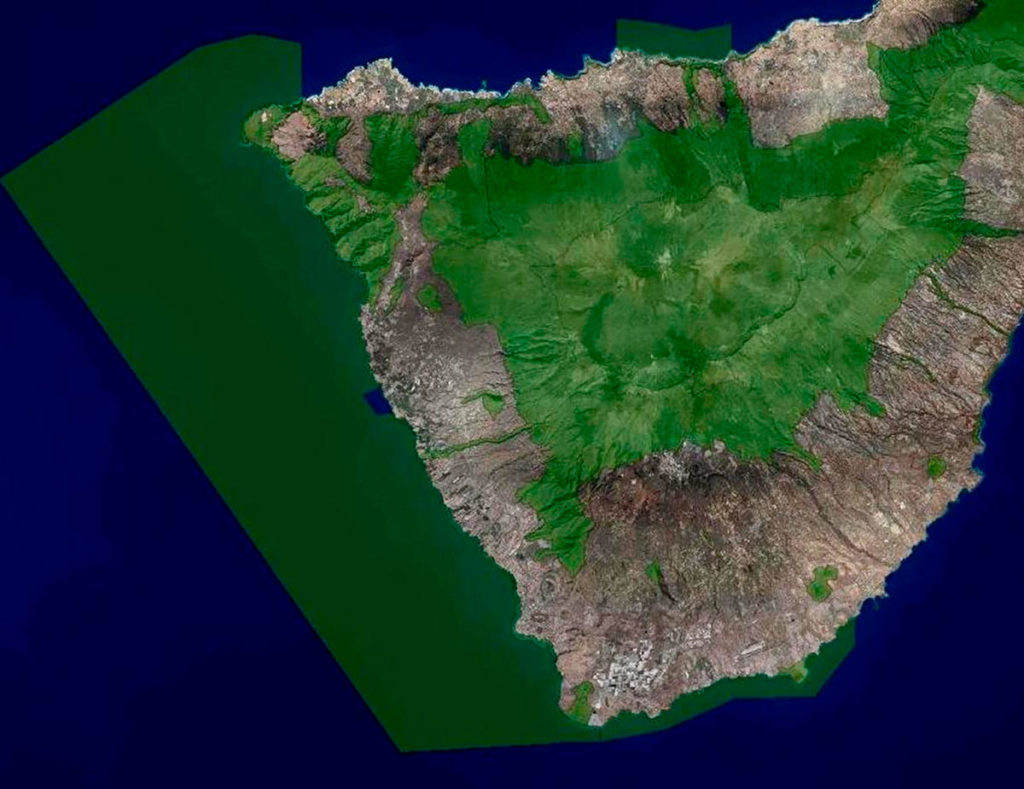
Greenpeace has launched a campaign to halt tourism-driven development projects threatening the Teno-Rasca Marine Strip, a protected whale habitat off the coast of Tenerife.
A growing conflict in the Canary Islands has reached a critical point as residents and environmentalists push back against tourism-driven development. Greenpeace has launched a campaign to protect the Teno-Rasca Marine Strip, a protected area off the southwest coast of Tenerife. Recognized as Europe’s first "Whale Heritage Site," the area is now the focus of a petition that has already gathered over 26,000 signatures.
The dispute centers on three major projects: the Cuna del Alma urban development in Adeje, the Underwater Gardens proposal in Punta Blanca, and the expansion of local aquaculture. Greenpeace argues that these projects threaten a vital ecosystem that is already struggling with overfishing, pollution, and high levels of human activity. Although the area is part of the protected Natura 2000 network and home to a significant population of whales and dolphins, environmentalists warn that further development could cause irreversible damage.
Manoel Santos, a spokesperson for Greenpeace, criticized projects like the Punta Blanca proposal, arguing that they use the language of sustainability to mask commercial exploitation. He also raised concerns about marine farms, noting that they risk introducing antibiotics into the water and disrupting native species.
This situation has sparked a wider debate about the limits of growth in the Canary Islands. Greenpeace is calling for a halt to new construction on the southwest coast, arguing that the region’s remaining undeveloped land is disappearing too quickly.
Ultimately, the campaign aims to bring international attention to the islands' development model. Experts suggest that local leaders must now decide whether to continue prioritizing tourism expansion or to shift toward a model that respects the environment. Protecting the 70,000-hectare Teno-Rasca area has become a defining test for the future of environmental management in the Canary Islands.