
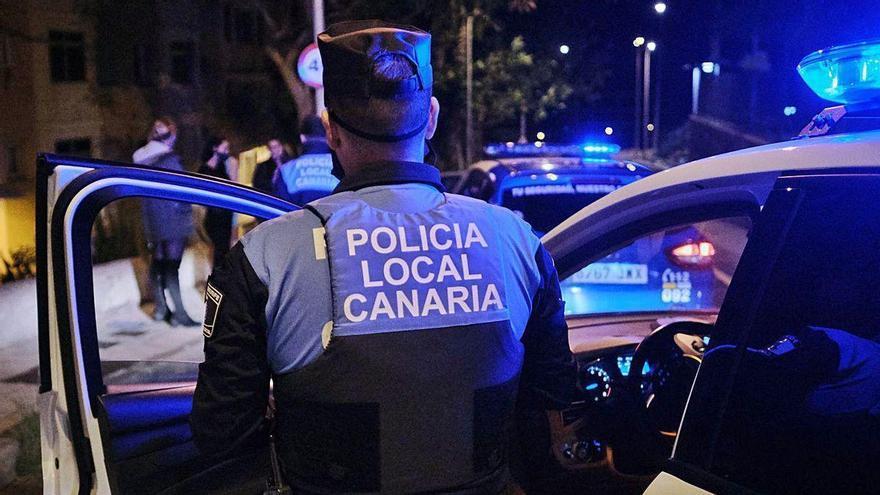
Granadilla de Abona Faces Police Shortage Crisis as Night Patrols Cease
Granadilla de Abona faces a public safety crisis as severe staffing shortages and an ongoing labor dispute leave the municipality without overnight police patrols ahead of the busy summer season.
Public safety in Granadilla de Abona is at a breaking point, as the municipality can no longer guarantee police patrols during night shifts. According to the CCOO and UGT unions, a severe staffing shortage has already left the streets unpatrolled on several recent nights. There are growing concerns that this could become a permanent issue just as the busy summer season and an influx of tourists approach.
The problem stems from a mismatch between the town’s rapid growth and its available resources. While the official population is nearly 59,000, the actual number of people in the area—including visitors and temporary residents—is closer to 70,000. This is further complicated by the municipality’s geography, which includes scattered neighborhoods and Tenerife South Airport. Local police are also frequently called upon to assist neighboring towns that lack their own overnight coverage.
Currently, the force is too small to handle these demands. Of the 56 officers on the payroll, only 43 are available for patrol duty. Regional guidelines suggest that a town of Granadilla’s size should have 129 officers, meaning the force is short by more than 70 people. This gap has persisted for two decades, even as the local population has doubled.
The situation is made worse by an ongoing labor dispute. Following a vote on May 18, officers have stopped working overtime. They are currently in a standoff with the City Council over unpaid bonuses from 2019 to 2022, with the council owing an average of 2,000 euros per officer. Furthermore, a new collective bargaining agreement has been stalled for seven months, leaving the force to operate under outdated regulations from 2006.
Union representatives emphasize that they are not trying to cause public panic, but rather to highlight the genuine risks to emergency response, including traffic accidents and cases of gender-based violence. They are urging the City Council to create a clear plan to increase staffing and meet regional safety standards, warning that the safety of tens of thousands of people cannot rely on a police force that is already stretched to its limit.