
Granadilla de Abona Approves €73.36 Million Budget for 2027 with Focus on Infrastructure
The Granadilla de Abona City Council has approved a 73.36 million euro budget for 2027, prioritizing infrastructure, public services, and social welfare despite opposition criticism regarding housing and spending allocations.
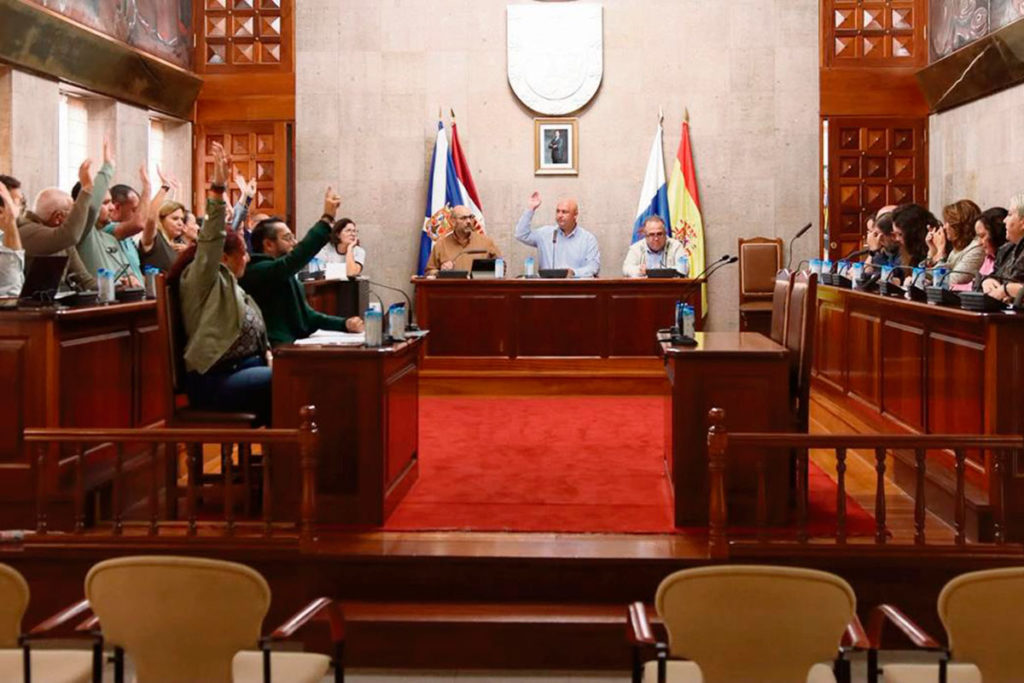
The Granadilla de Abona City Council has approved a 73.36 million euro budget for 2027. This represents an 8.73% increase over the current year and was passed quickly enough to take effect on January 1st. The budget was approved by the governing coalition of the PP, CC, and Vox, despite opposition from the PSOE and independent councilor Bianca Cerbán.
The new financial plan focuses heavily on infrastructure and public works. Investment in this area has more than doubled, rising from three million to nearly seven million euros—roughly 9.5% of total spending. Key projects include a 2.87 million euro road-paving plan covering twenty streets across the municipality, as well as funding for the Granadilla East sanitation network, the San Isidro EDIL Plan, and a new Farmers' Market.
Public services and safety are also priorities. The municipal company Sermugran will receive over 13 million euros to upgrade its fleet and equipment. The security and emergency department has been allocated more than 7.6 million euros, with 5.69 million going to the Local Police and 1.22 million to Civil Protection. Additionally, the budget includes 1.01 million euros for the Charco del Pino soccer field and 180,000 euros to renovate the Virgen del Pino Day Center.
Social spending totals 8.92 million euros, covering primary care, home help, food assistance, and subsidies for local organizations. Treasury head Rubén García Casañas noted that nearly 20% of the total budget is dedicated to welfare, education, and culture.
The budget has faced criticism from the opposition. Socialist spokesperson Jennifer Miranda argued that the plan lacks specific funding for housing and public residential development. The opposition also questioned the council's spending priorities, specifically criticizing the balance between the budget for festivities compared to the amounts set aside for scholarships and employment programs.