
Geothermal Discovery in Tenerife Marks Major Shift for Canary Islands Energy Strategy
The discovery of a viable geothermal energy source in Vilaflor marks a significant milestone in Tenerife’s transition toward sustainable energy independence and reduced reliance on fossil fuels.
The discovery of a geothermal energy source beneath Vilaflor marks a major turning point for the Canary Islands’ energy strategy. Data from the Energía Geotérmica de Canarias (EGC) consortium confirms that surveys at a depth of 2,300 meters have found the essential combination of heat, permeable rock, and water needed to generate geothermal power.
This project, led by the British firm Marriott Drilling Group in partnership with the Tenerife Island Council, ITER, Disa, and Reykjavik Geothermal, is more than just a scientific success. Unlike wind or solar power, which are intermittent, geothermal energy provides a constant, reliable supply. This could significantly reduce the archipelago’s reliance on fossil fuels, which currently provide 80% of its electricity.
The economic potential is substantial. Experts estimate that a 10-megawatt plant could save 19 million euros annually in fuel imports while cutting CO₂ emissions by 65,000 tons. Such a facility could power roughly 24,000 homes, helping the island gain energy independence amid volatile global markets.
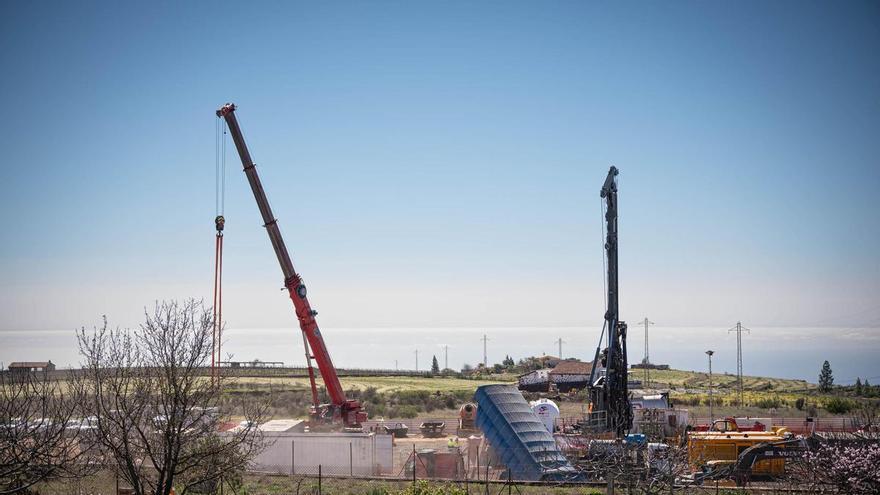
Supported by NextGenerationEU funds and the Recovery, Transformation, and Resilience Plan, the project is now drilling to a depth of 3,000 meters. Over the next few months, teams will measure the reservoir’s pressure, flow, and temperature to confirm if the plant is commercially viable. This progress puts Tenerife at the forefront of geothermal exploration in the Canary Islands, ahead of similar efforts currently underway in Gran Canaria and La Palma.
By drawing on expertise from volcanic regions like Iceland and the Azores—and collaborating directly with the Icelandic firm Reykjavik Geothermal—Tenerife is working to turn the earth’s natural heat into a stable power source. With the first borehole already past 2,500 meters, the island is moving toward a more resilient energy model that could complement existing renewables and protect consumers from fluctuating fuel prices.