
Güímar's "Las Burras" Blends Witchcraft and Carnival Tradition
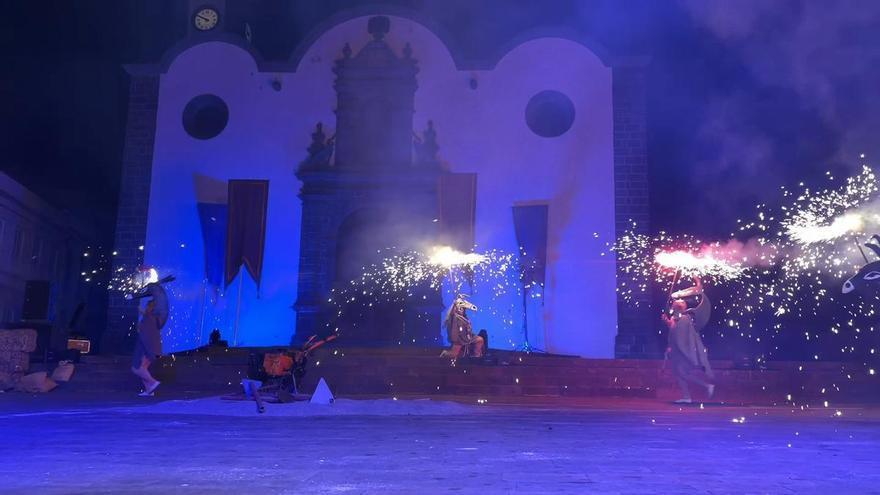
Güímar's "Las Burras" Carnival tradition captivated audiences with its unique blend of local folklore, witchcraft, and the symbolic battle between good and evil, culminating in the ritual escape of the witch-donkeys.
Last night, Güímar celebrated another performance of "Las Burras," an event that is more than just a party; it's a deeply rooted cultural tradition. It has become a unique highlight of Carnival in Tenerife and the wider Canary Islands. This spectacle began in 1992, created by Javier Eloy Campos. He aimed to offer a different kind of Carnival, distinct from the dominant Santa Cruz de Tenerife Carnival, especially during its most popular years. Since then, "Las Burras" has developed its own identity, based on local folklore and strong community involvement.
Montse Placer directed the production for the fourth year in a row, with Luis Marrero coordinating. It's based on popular imagination, bringing back old legends of witchcraft, transformations, and rural superstitions. Stories about banished friars, women who can turn into animals, and strange apparitions all combine to create a world where magic and everyday life intertwine. This mix forms the very essence of "Las Burras."
The procession started from San Pedro Arriba. It doesn't aim for simple showiness, but rather to create an immersive experience. Figures representing the seven deadly sins, motorcyclists from the Los Aguiluchos group, catrinas, devils, inquisitors, and fire-eaters all walked down the street to the beat of a batucada drum group. They used the doorways and shadows of seven neighborhood houses as a natural backdrop for their performance.
The main drama unfolds in San Pedro square, right in front of the church. The story begins with peasants who, after symbolically sacrificing a black pig, get ready to work the land. Then the donkeys appear, initially meant for farm work, but people soon discover their disturbing true nature: they are witches. The story reaches its peak with a witches' coven. This year, improved fireworks and flame effects highlight the arrival of evil. The devil's appearance is a powerful visual and symbolic moment, showing the central theme of the performance: the battle between the forces of darkness and light.
This year, the church's involvement, including opening the temple doors, adds a new layer to the story. A bishop and his group emerge to restore order. They perform a symbolic fight against evil, which ends with the donkeys being caught and tied to the sardine as a ritual punishment. However, true to tradition's cyclical nature, the donkeys always escape their ultimate fate, ready to return in future performances.
Montse Placer, who started as a participant before taking on the main directing role, emphasizes the importance of people and community involvement over technical equipment. This approach comes from her experience in organizing events and her strong connection to local culture. This ongoing cycle, which saw the donkeys escape again last night, confirms that this tradition is here to stay. With local council support, it remains a unique event in the Canary Islands' festive calendar, mixing irony, religion, rural life, and carnival into a story that refreshes itself every year.