
Güímar Reopens Las Bajas Following Five-Year Administrative Dispute
Access to Las Bajas in Güímar has officially reopened following a five-year closure caused by a complex mix of geological instability, legal disputes, and bureaucratic delays.
Access to Las Bajas in Güímar has finally reopened, ending a five-year administrative and urban planning dispute. A decree signed by Mayor Carmen Luisa Castro on May 12 now allows conditional access to the area, which had been closed since 2021 due to concerns over the stability of the nearby hillside.
The situation highlights the challenges of managing geological risks. What started as an emergency project to secure the hillside below the TF-1 tunnels became a complex legal and financial struggle. After a 2020 police report warned that the terrain was deteriorating, the local government began closing the area and relocating residents. However, a 2021 storm halted the repair work, causing costs to balloon from an estimated 342,000 euros to over one million.
The project was further complicated by political instability, involving three different mayors and a motion of no confidence. The financial toll on the municipality has been significant: beyond the 40,000 euros per month spent on social rentals, court rulings have ordered the City Council to pay nearly 750,000 euros, plus interest, to the construction firm for the suspension of the work.
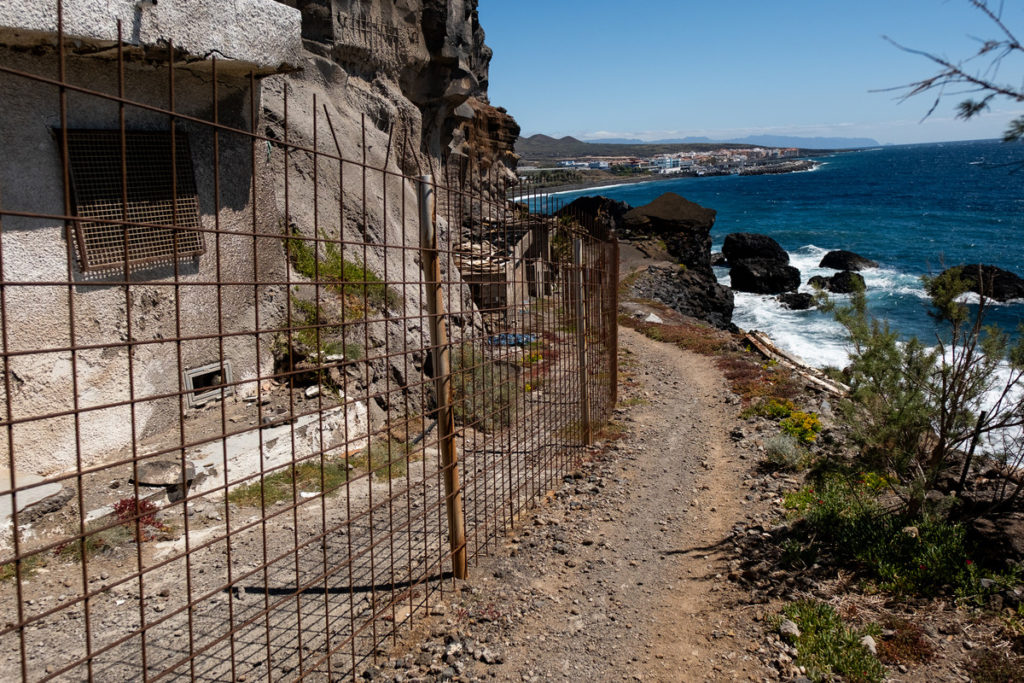
Today, Las Bajas is a shadow of its former self. Of the roughly twenty homes that once served as a vacation spot, only three families have returned. Many of the remaining buildings show signs of decay and neglect after years of being sealed off.
While technical reports now deem the area safe to access, the reopening is conditional. Officials have warned that if the terrain becomes unstable or severe weather occurs, the area could be closed again. The removal of the perimeter fence marks the end of a long period of bureaucratic gridlock, during which safety concerns and complex public procurement processes disrupted the lives of residents for five years.