
FUNDORO Announces 36th Annual Science Seminar Series in Canary Islands
The Orotava Canary Foundation for the History of Science has launched its 36th annual seminar, featuring 13 free public lectures spanning topics from volcanology and astronomy to the ethics of artificial intelligence through May 2027.
The Orotava Canary Foundation for the History of Science (FUNDORO) has announced the program for its 36th annual seminar. Running from September 28th through May 2027, this series has become a cornerstone of scientific outreach in the Canary Islands. The program offers a diverse range of topics, spanning volcanology and astronomy to the ethical challenges of artificial intelligence.
The seminar consists of 13 lectures spread across 12 sessions, totaling 36 hours of instruction. All sessions are free and open to the public, held at the foundation’s headquarters at 17 Calvario Street in La Orotava. The program is supported by the Government of the Canary Islands, the Island Council of Tenerife, the local City Council, and the University of La Laguna. Teachers in the Canary Islands can receive official certification for their participation through the Directorate General for Personnel and Teacher Training.
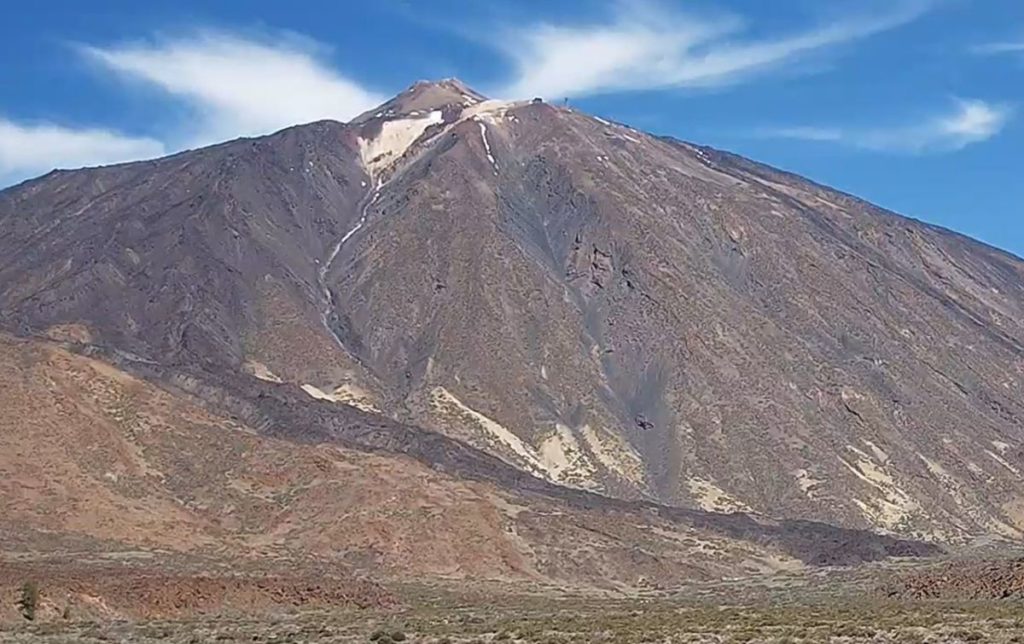
The series begins in late September with a look at the 1824 volcanic eruptions in Lanzarote, presented by physics professor Vicente Daniel Rodríguez Armas. This session will be accompanied by a documentary exhibition at the foundation, which runs until October 28th. On October 19th, the seminar will mark the 250th anniversary of the first precise measurement of Mount Teide, featuring insights from Marie-Christine Meléndez López of the Musée de Borda and FUNDORO coordinator Ignacio Rodríguez Alemparte.
As the program continues, it will cover topics such as algorithm governance, machine learning, and biases in automated decision-making. The 2027 sessions will expand into neuroscience, the philosophy of consciousness, the link between mathematics and mythology, and engineering. The cycle will also explore quantum physics, the history of energy, and photonics, while honoring the legacy of Tenerife-born astronomer Juan Valderrama y Aguilar.
By connecting academic research to the local landscape, the seminar includes specific sessions on the volcanic activity of Tenerife. The program will conclude with a historical look at light, tracing its study from Newton and Einstein to modern technology. Those interested in attending can register via the foundation’s website or in person at their headquarters.