
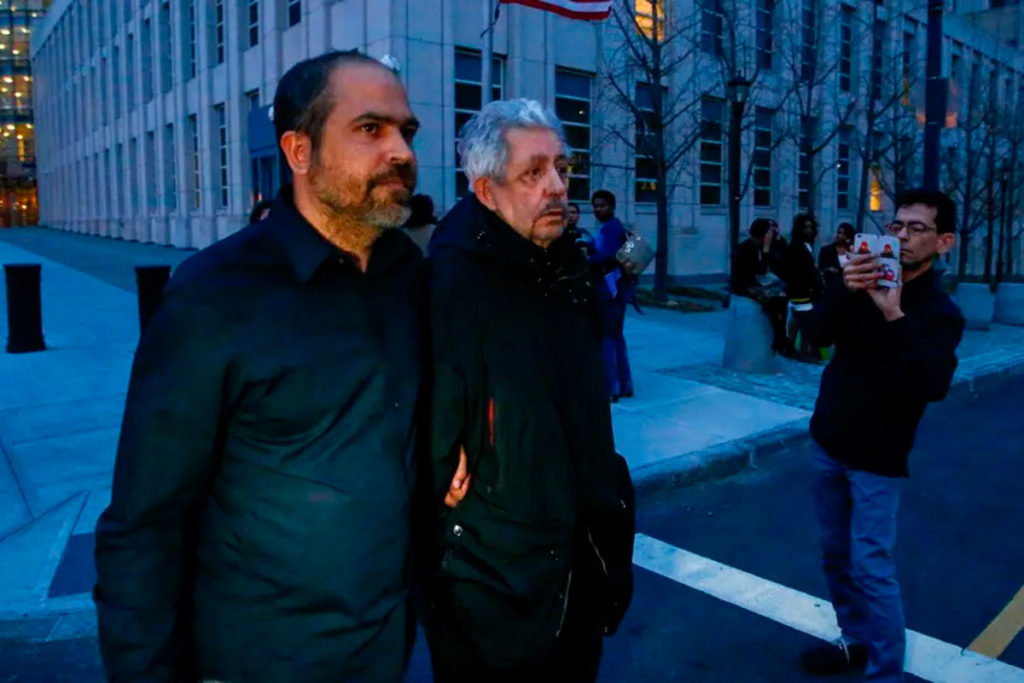
Former Venezuelan Football Chief Rafael Esquivel’s Corruption Scandal Exposed
Former Venezuelan Football Federation president Rafael Esquivel’s guilty plea to racketeering and money laundering charges serves as a landmark case in the U.S. Department of Justice’s broader investigation into systemic corruption within FIFA.
For decades, professional football operated behind a veil of secrecy that was not a flaw in the system, but its primary business model. Recent reports on Rafael Esquivel, the former president of the Venezuelan Football Federation (FVF), highlight an era where sports management was often a cover for personal profit, fueled by the sale of television rights and rigged elections.
Esquivel’s 2015 arrest in Zurich during the "FIFA Gate" scandal was a major turning point, signaling that the U.S. Department of Justice was finally cracking down on FIFA. Born in Tenerife in 1946, Esquivel moved to Venezuela as a child and went on to lead the FVF for nearly 30 years, winning ten consecutive elections. While he oversaw the development of facilities like the National High-Performance Center, his tenure was constantly clouded by allegations of financial misconduct and corruption.
U.S. investigators uncovered a massive bribery scheme involving the sale of broadcasting rights for major tournaments like the Copa América and the Copa Libertadores. After being extradited to the U.S. in 2016, Esquivel pleaded guilty to seven charges, including racketeering and money laundering. He agreed to forfeit $16 million and cooperate with authorities. The investigation revealed that he used code names like "Mercedes Benz" to hide illicit payments, including a $750,000 bribe to vote for Qatar as the 2022 World Cup host.
This scandal was part of a larger crisis of legitimacy within the sport. The secret process used to select the 2018 and 2022 World Cup hosts was so rife with corruption that it led to the expulsion of several committee members. Even when prosecutor Michael García investigated the process, his findings were reportedly distorted, leading to his resignation and highlighting how resistant FIFA was to real reform.
In 2017, the U.S. Department of Justice officially labeled FIFA an "organized crime organization," concluding that the sport’s leadership had turned decision-making into a bidding war. For Esquivel, the fallout included a lifetime ban from football and a period of supervised release in Florida. His case serves as a stark reminder of how easily ethical standards can collapse when commercial interests are prioritized over institutional integrity.