
Former Spain International Reflects on 2002 World Cup Legacy and Modern Tactical Evolution
A former Spanish international reflects on the evolution of the national team since the 2002 World Cup, praising Luis de la Fuente’s tactical adaptability and the modernization of the sport through technology and expansion.
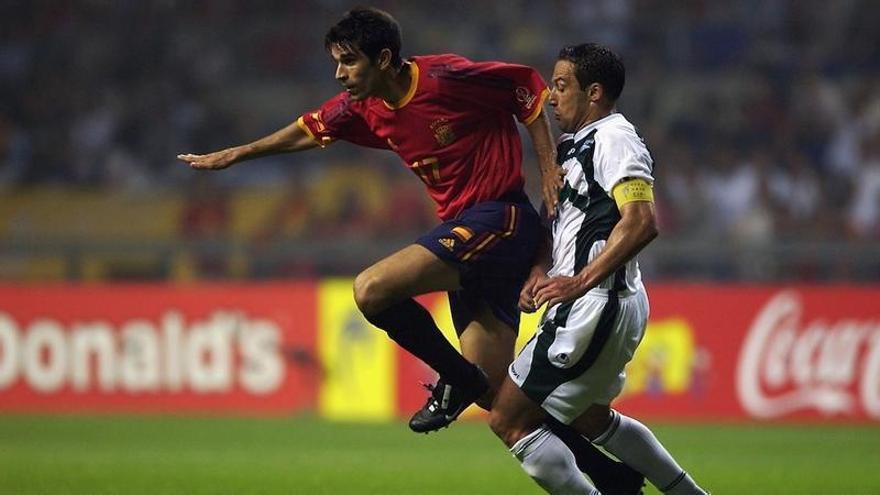
The legacy of the World Cup is defined as much by missed opportunities and tactical shifts as it is by trophies. In a recent interview, a former Spanish international reflected on the 2002 tournament—a competition that, despite a quarter-final exit, proved to be a turning point for players like Iker Casillas and highlighted the immense pressure that has long followed the national team.
The former player noted how much team communication has changed. Back then, squad announcements were handled through formal institutional channels, creating a different kind of uncertainty compared to the instant updates players face today. Looking back at the 2002 experience in Korea, which was marred by controversial refereeing and a heartbreaking penalty shootout, he views it not just as a sporting disappointment, but as a reminder of how thin the line is between success and failure at the highest level.
From a tactical standpoint, the former international offered his take on Luis de la Fuente’s current squad. He pointed to the maturity of players like Pedri and the versatility of talents like Yéremy Pino as essential components. He believes the coach’s ability to build a "chameleon-like" team—one that can adapt to different styles of play—is the squad's greatest strength heading into major tournaments.
Finally, the former player addressed the modernization of the game. He supports the use of technology like VAR, viewing it as a necessary tool to ensure fairness in a sport where human error has historically changed the course of history. He also expressed support for the expansion of the World Cup, arguing that including teams with less footballing tradition strengthens the sport’s global reach and social impact.