
Fidel Castro’s 1996 Tenerife Visit: A Diplomatic Flashpoint Revisited
Diario de Avisos explores the geopolitical friction and personal legacy surrounding Fidel Castro’s unexpected 21-hour visit to Tenerife in 1996, which strained relations between the Canary Islands and the Spanish central government.
Diario de Avisos has revisited its archives to shed light on Fidel Castro’s 21-hour visit to Tenerife in June 1996. The trip, which took place after a UN summit in Istanbul, serves as a fascinating case study of the geopolitical tensions that defined Spain in the mid-nineties. It also highlighted a clear rift between the regional government and the central administration in Madrid, which was then attempting to distance itself from Havana following the U.S. passage of the Helms-Burton Act.
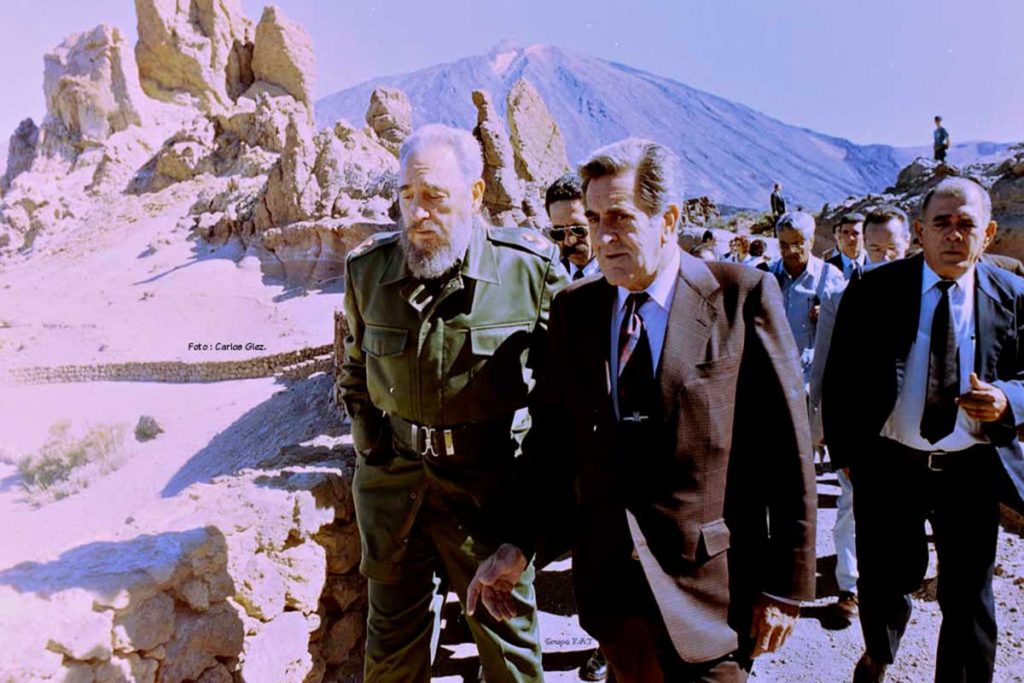
The visit was a masterclass in image management. Despite pressure from Madrid to downplay the event, Castro used his time in the Canary Islands to emphasize his family roots—his mother, Lina Ruz, was born there—and to frame himself as a symbol of resistance against the U.S. embargo. His itinerary, which included a tour of Teide National Park and meetings with local officials like then-president Manuel Hermoso, caused significant friction with Spain’s Ministry of Foreign Affairs. Foreign Minister Abel Matutes even questioned the propriety of the warm reception the regional government provided.
Beyond the politics, historical accounts from the time reveal Castro’s intense curiosity. He spent much of his visit questioning his hosts about volcanic activity, resource management, and the island's administrative structure. His stay concluded with a surprising moment: he posed for photographs with the Civil Guard officers assigned to his security. During the trip, he also spoke openly about his island heritage and his views on economic survival in the face of international isolation.
In a personal interview featured in the archives, Castro discussed his legacy, his opposition to imperialism, and his own self-criticism regarding his leadership. With stops in Vilaflor, Arona, and Playa de las Américas, the visit remains a unique chapter in Canarian history—a technical stopover that evolved into an international event, testing the limits of the islands' political autonomy against the official stance of the Spanish government.